


Article reviewed by: Dr. Sturz Ciprian, Dr. Tîlvescu Cătălin and Dr. Alina Vasile
Article updated on: 22-06-2026
How hyperbaric therapy helps medications work more effectively
- Why medications sometimes do not work as expected
- How hyperbaric therapy improves medication effectiveness
- Antibiotics and hyperbaric oxygen: a partnership few people know about
- Hyperbaric therapy and cancer: oxygen as an ally of chemotherapy
- Osteonecrosis of the jaw after bisphosphonates: how hyperbaric therapy helps where classical medicine stops
- Anti-inflammatory medicines and corticosteroids are more effective with HBOT
- Severe postoperative infections: hyperbaric therapy as an additional shield
- Anti-angiogenic drugs and the paradox of wounds that do not heal
- What hyperbaric therapy does not do and why it matters to know this
- The future of combined therapy in modern medicine
There is a problem many patients encounter when recovering from an illness: you follow the treatment prescribed by your doctor, take the pills at fixed times, receive the scheduled infusions, and yet you do not heal as quickly as you expected. The wound does not close. The infection persists. The tumor responds slowly to chemotherapy. And the inevitable question appears: “Maybe the medicine is not strong enough?”
In most cases, the medicine or active substance is not the problem, but the fact that it does not reach the place where it is needed. Once the doctor understands this aspect, you can move to the next chapter and opt for innovative therapies, such as hyperbaric therapy, which helps the treatment become more effective.
Hyperbaric therapy, or HBOT, from hyperbaric oxygen therapy, does not replace the treatment prescribed by the doctor. What it does is prepare the ground, open the way, create the conditions in which the medications you are already receiving can function at their true capacity. Let us see exactly how this happens and why medical research in recent years is speaking more and more insistently about combined therapy as the future of modern medicine.
Why medications sometimes do not work as expected
To understand why this happens, it helps to imagine the body not as a simple machine, but as an extremely complex transport system. Blood is the bus that carries medications to their destination. Blood vessels are the roads. And, as in any transport system, if the roads are blocked, the bus gets nowhere, no matter how new and efficient it is.
When a severe infection, a deep wound or a tumor appears, the affected area quickly enters a state doctors call tissue hypoxia, meaning oxygen deprivation of the tissue. Specifically, the small blood vessels around the diseased area contract and become compressed, inflammation thickens the capillary walls, pressure inside the tissue rises, and local circulation drops dramatically. The direct consequence is that medications circulating through the blood can no longer reach a sufficient therapeutic concentration precisely where they are needed most.
Researchers have a term for this situation: “drug delivery deficit”. This is one of the main reasons treatments fail to have the expected effect in deep infections, chronic wounds and tumors, even when the chosen medication is, theoretically, the right one. A study published in PMC confirms that tissue hypoxia significantly alters the way a drug is distributed and acts in tissue, and can reduce the active concentration of the substance in the diseased area to the point of being unusable.
But hypoxia does not create problems only when it comes to medication effectiveness; it also affects the body’s natural defense, namely the immune system.
White blood cells, neutrophils and macrophages are the soldiers of your immune system. They patrol the body, detect bacteria and destroy them by producing hydrogen peroxide and other substances toxic to pathogens. The problem is that this production depends completely on oxygen. Without it, immune cells reach the site of infection but remain, practically speaking, disarmed.
Research published in 2025 demonstrated that hypoxia modifies the genetic material of neutrophils (first-line immune cells), reducing their ability to destroy pathogenic microorganisms. Moreover, a study published in the journal Nature Scientific Reports showed that hypoxia decreases the production of reactive oxygen species by neutrophils, exactly the substances with which they kill bacteria, and suppresses the formation of extracellular defense networks known as NETs (Neutrophil Extracellular Traps, meaning neutrophil extracellular traps), networks through which immune system cells capture and neutralize bacteria.
In other words, to make it easier to understand, in tissue deprived of oxygen, the immune system arrives at the scene but can no longer fight efficiently. It is like sending firefighters to a fire without water.
A vicious circle with real clinical consequences therefore takes shape:
→ the diseased area needs oxygen in order to be treated
→ hypoxia blocks circulation
→ medications do not arrive
→ the immune system is disarmed
→ the infection or disease progresses
→ hypoxia deepens.
Each link affects the previous one. This is one of the reasons chronic wounds in people with diabetes, such as diabetic foot, severe infections or hypoxic tumors are so difficult to treat through conventional methods.
Hyperbaric therapy breaks this vicious circle at the first point because its role is to reoxygenate the tissue. Along with oxygen, the access routes for medications reopen, the immune system is reactivated, and the minimum conditions for healing to occur are restored. It does not substitute the treatment; it gives the treatment back the ground on which it can work.
How hyperbaric therapy improves medication effectiveness
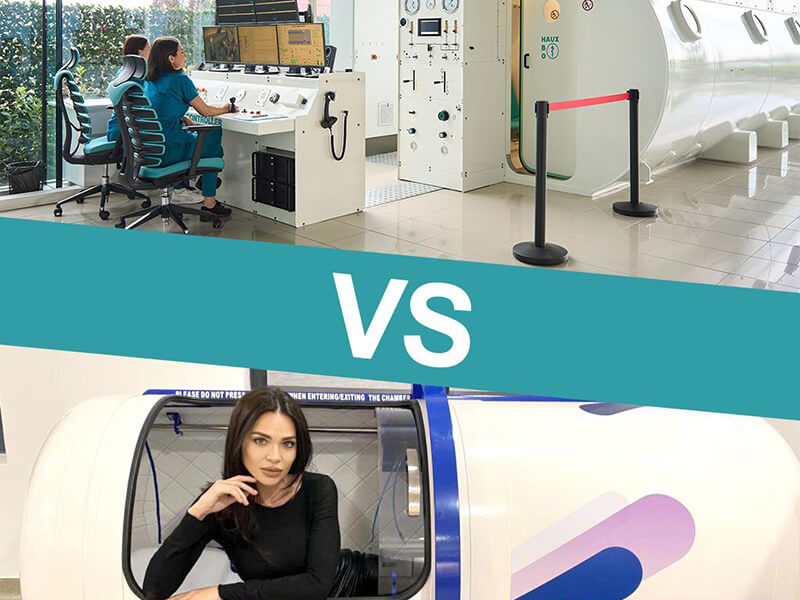
Hyperbaric therapy involves breathing 100% pure oxygen in a special chamber, where atmospheric pressure is progressively increased to 2–3 times normal pressure. This combination, pure oxygen plus increased pressure, produces an effect that no other treatment can replicate. Oxygen dissolves in a much larger quantity directly into the blood plasma, not only in the red blood cells. As a result, the plasma becomes an independent vehicle for oxygen transport.
The difference is enormous and deserves to be explained carefully. Under normal conditions, hemoglobin in red blood cells carries approximately 97% of the oxygen in the blood. Red blood cells are relatively large cells, 6–8 micrometers in diameter. Compressed capillaries in inflamed tissue may have an even smaller diameter. And red blood cells simply can no longer pass through. Plasma, on the other hand, is a watery liquid that can slip anywhere. And when it is saturated with hyperbaric oxygen, it reaches deep into tissues where normal circulation can no longer provide supply. Under hyperbaric therapy at 3 ATA, the amount of oxygen dissolved in plasma can increase by up to 20 times compared with normal, which is sufficient to support tissue metabolism even in the absence of normal hemoglobin function.
The direct result is that areas that were deprived of oxygen suddenly become accessible both to oxygen and to medication molecules circulating with the blood. This “plasma highway” is the foundation on which all the other therapeutic synergies are built.
Antibiotics and hyperbaric oxygen: a partnership few people know about
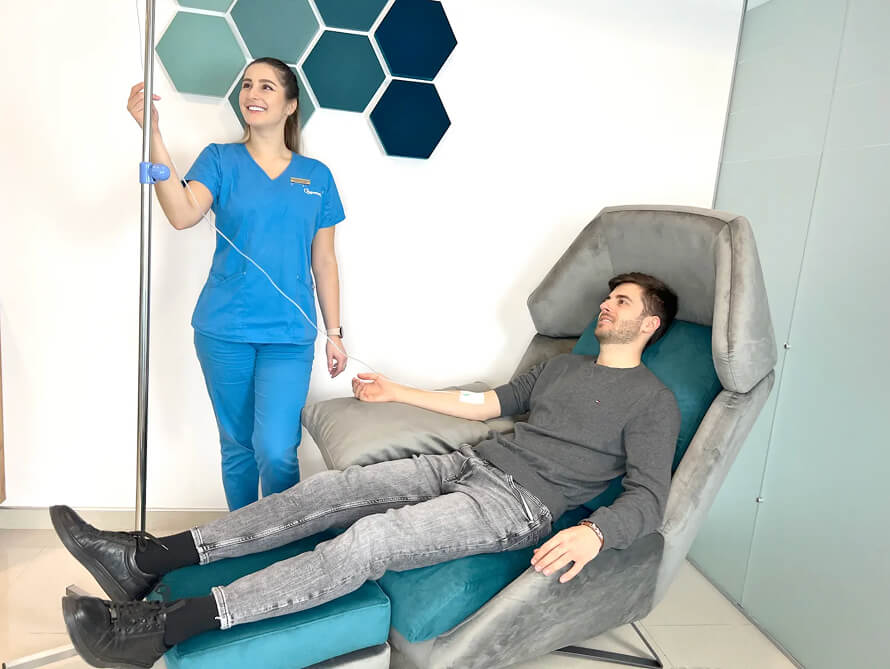
One of the best documented effects of hyperbaric therapy is its synergy with antibiotics. And to understand why they work so well together, you need to know one essential thing about how antibiotics kill bacteria.
Many classes of antibiotics need oxygen in order to fulfill their therapeutic role. Not metaphorically, but literally. Aminoglycosides (gentamicin, amikacin, tobramycin) are actively transported inside the bacterial cell through a mechanism that depends on the electrochemical gradient of the bacterial membrane. This gradient exists only when the bacterium is actively breathing, meaning in the presence of oxygen. When the bacterium is deprived of oxygen, the membrane becomes electrochemically inactive, and the antibiotic simply can no longer enter. It is like trying to put a key into a jammed lock.
Fluoroquinolones, especially ciprofloxacin, frequently used in complicated urinary infections, osteomyelitis or pulmonary infections, have a partially similar mechanism. They inhibit bacterial enzymes involved in DNA replication, enzymes that are much more active in bacteria with sustained aerobic metabolism. A bacterium deprived of oxygen is, from the antibiotic’s perspective, an almost invisible target.
And in the case of glycopeptides, vancomycin and teicoplanin, essential in MRSA infections, experimental studies show an amplification of the antibacterial effect in combination with HBOT. The mechanism is different from that of aminoglycosides: here, hyperbaric oxygen acts by reactivating bacterial metabolism and increasing oxidative stress inside the biofilm, making the bacterium more vulnerable.
Hyperbaric therapy oxygenates bacteria and consequently makes them vulnerable to antibiotics. A study published in 2025 in PMC, the database of the National Center for Biotechnology Information, showed that at a pressure of 2.8 ATA, hyperbaric therapy increased the depth of oxygen penetration into bacterial biofilms almost fourfold and significantly amplified the bactericidal effect of ciprofloxacin precisely in those hard-to-reach areas. A biofilm is, simply put, a community of bacteria wrapped in a protective layer, similar to a fortress. Antibiotics alone have great difficulty penetrating this layer. Hyperbaric oxygen destabilizes it and makes it permeable.
Specifically, another study published on PMC demonstrated that HBOT increased the bactericidal effect of tobramycin on Pseudomonas aeruginosa biofilms by more than 100,000 times compared with the antibiotic administered alone, and reduced by more than 50% the dose of tobramycin needed to reach the clinical bactericidal concentration. In other words, combining hyperbaric therapy with the antibiotic can significantly amplify the effectiveness of antibacterial treatment, allowing a similar effect to be achieved with a smaller amount of antibiotic. This is relevant especially because reducing the dose can mean a lower risk of adverse effects and less pressure on the body, especially on the kidneys and liver, which are involved in metabolizing and eliminating medications.
A study published in Frontiers in Cellular and Infection Microbiology confirmed that HBOT lowers the minimum inhibitory concentration (MIC) of several antibiotics. MIC, translated simply, is the minimum dose of an antibiotic needed to stop bacterial growth. When MIC decreases, it means the antibiotic becomes stronger at the same dose, or that the same dose can treat a more resistant infection more effectively.
Therefore, below is the list of antibiotics and antifungals whose effectiveness increases in combination with hyperbaric therapy:
- Gentamicin, Amikacin, Tobramycin (aminoglycosides) — used in severe infections of the lungs, kidneys, bones and blood. Studies have shown increases in bactericidal effect of hundreds of thousands of times compared with the antibiotic administered alone when combined with hyperbaric therapy. Available in Romania as Gentamicin Krka, Gentamicina Noridem, Amikacină Noridem, Amikozit, Tobramicina Sun.
- Ciprofloxacin, Levofloxacin (fluoroquinolones) — prescribed in complicated urinary infections, osteomyelitis, pulmonary infections and severe skin infections. Available as Ciprinol, Ciprobay, Cipro Quin, Cifran (ciprofloxacin) and Levofloxacina ATB, Levofloxacin Kabi, Levofloxacina Arena (levofloxacin).
- Vancomycin, Teicoplanin (glycopeptides) — last-line antibiotics in MRSA infections and other resistant hospital bacteria. Available as Vancomicina MIP and Targocid. Administered exclusively in hospital, under medical supervision.
- Ceftriaxone (third-generation cephalosporin) — present in the treatment of bacterial meningitis, severe pneumonia and serious abdominal infections. One of the most widely used antibiotics in Romanian hospitals. Available as Ceftriaxona ATB and Ceftriaxona Infomed.
- Meropenem, Piperacillin/Tazobactam (carbapenem and beta-lactam/beta-lactamase inhibitor combination, respectively) — reserved for severe polymicrobial infections and infections with resistant gram-negative bacteria, exclusively in hospital. They are often the last option before the antibiotic arsenal is exhausted, exactly the context in which synergy with hyperbaric therapy has the greatest clinical impact. Available as Meropenem ATB, Meropenem AptaPharma and Tazocin.
- Amphotericin B (antifungal) — used in deep and systemic life-threatening fungal infections: systemic candidiasis, invasive aspergillosis, cryptococcal meningitis, in oncology patients, patients with HIV or transplant recipients. Available in oncology and transplant centers in Romania as AmBisome.
Hyperbaric therapy and cancer: oxygen as an ally of chemotherapy
The relationship between hyperbaric therapy and cancer is perhaps the most complex and, at the same time, the most promising chapter of hyperbaric medicine. Unfortunately, this aspect is little known among patients.
Cancer cells are adapted to survive even in hypoxic conditions. Moreover, lack of oxygen activates certain mechanisms in the tumor that make it more aggressive and more resistant, including to radiotherapy and chemotherapy. Research shows that a hypoxic tumor can be 2 to 3 times more resistant to treatment than a well-oxygenated one.
Why? Many chemotherapeutic agents and radiotherapy work by creating irreversible damage in the DNA of cancer cells. But oxygen is necessary for this damage to truly become irreversible. Without it, the cancer cell can partially repair the damage and survive the treatment. Hyperbaric therapy reoxygenates the tumor and eliminates this possibility of regeneration.
A study published in 2021 in PMC demonstrated that HBOT, combined with chemotherapy, increased the rate of tumor cell death in experimental lung cancer models, an effect obtained by reducing tumor hypoxia. Another study published in Biomedicine & Pharmacotherapy showed that combining hyperbaric therapy with 5-Fluorouracil (5-FU), one of the most widely used chemotherapy drugs, present in the treatment of colorectal, gastric or breast cancer, slowed tumor growth significantly better than either of the two treatments taken separately.
The cytostatic drugs whose effectiveness can increase in combination with hyperbaric therapy are:
Cyclophosphamide — used in leukemias, lymphomas, breast and ovarian cancer. Compatible with hyperbaric therapy, with a well-documented role. A study published in PMC confirmed that HBOT healed cyclophosphamide-induced hemorrhagic cystitis, a serious complication that is otherwise difficult to treat, in cases refractory to all other methods. Hyperbaric therapy revascularizes the bladder mucosa affected by cyclophosphamide and provides a therapeutic option in situations where chemotherapy has caused severe collateral damage.
Gemcitabine — used in the treatment of pancreatic, lung and bladder cancer. It works well with hyperbaric therapy, but with an important condition: it functions best when the two treatments are administered in the same time interval, not at a distance from each other. To understand why: gemcitabine kills cancer cells by blocking their multiplication process. Hyperbaric therapy reoxygenates the tumor and brings it back into a metabolic state in which chemotherapy can act effectively, the window in which gemcitabine has its maximum effect. If hyperbaric therapy comes too early or too late in relation to chemotherapy, the vulnerability window is lost. A study dedicated to this combination confirmed that the cancer cell death rate increased significantly compared with gemcitabine administered alone, but only when the two coincided in time. Coordination with the oncologist is not optional: the oncologist decides the correct administration window.
Fluorouracil (5-FU) — used in colorectal, gastric, breast and head and neck cancer. It combines well with hyperbaric therapy. To understand why they work together: 5-FU attacks cancer cells, but tumors deprived of oxygen manage to partially resist it because their internal processes slow down and become harder to block. Hyperbaric therapy reoxygenates the tumor and cancels this defense mechanism. A study published in Biomedicine & Pharmacotherapy showed, in experimental models, that the simultaneous combination of the two slowed tumor growth significantly more than either treatment administered alone.
Paclitaxel and Docetaxel (taxanes) — used in breast, ovarian, lung and prostate cancer. They combine well with hyperbaric therapy and there are concrete clinical data confirming this. Taxanes work by blocking a key stage in the life of the cancer cell, the stage in which it tries to divide into two. Hyperbaric therapy makes cancer cells more active and pushes them more quickly toward that vulnerable moment, amplifying the effect of chemotherapy. Beyond that, there is a direct benefit for the patient: a study published in 2023 showed that hyperbaric therapy reduces paclitaxel-induced peripheral neuropathy, meaning that unpleasant sensation of numbness, tingling or pain in the hands and feet that many patients develop as a side effect of this treatment. In addition, preliminary data suggest a benefit on disease control when Paclitaxel is associated with hyperbaric therapy, a field still under research.
You should know, however, that not all chemotherapy drugs are compatible with hyperbaric therapy. You should know, however, that not all chemotherapy drugs are compatible with hyperbaric therapy. Therefore, you must discuss with your oncologist before associating HBOT with cytostatic treatment. In fact, there are 3 medications that raise real issues when associated with hyperbaric oxygen therapy, according to international medical protocols and the guidelines of the Undersea and Hyperbaric Medical Society (UHMS).
The cytostatic drugs incompatible with hyperbaric therapy are:
Doxorubicin - used in lymphomas, leukemias, breast cancer and sarcomas. It is one of the few situations in which combining it with hyperbaric therapy at the same time can do harm, not good. Doxorubicin has a known side effect that is carefully monitored: it can weaken the heart over time. Hyperbaric therapy administered simultaneously increases this risk and, as a result, heart rhythm disturbances or a decrease in the heart’s ability to pump blood efficiently may appear. The good news is that this restriction is not permanent. According to StatPearls/NCBI, after a minimum of 24 hours from the last dose of doxorubicin, hyperbaric therapy is considered safe. If you are currently undergoing treatment with doxorubicin and are considering hyperbaric therapy for any other indication, tell the doctor at Hyperbarium before the first session. It is information that matters.
Cisplatin - used in lung, testicular, ovarian and head and neck cancers. Association with hyperbaric therapy must be done with caution. Cisplatin does not make hyperbaric therapy dangerous, but it can make it ineffective. More precisely, it reduces HBOT’s ability to heal wounds and repair tissues affected by radiotherapy. There is no direct risk of harm, but you may undergo hyperbaric therapy sessions without obtaining the expected results. And that means lost time and resources. If you are being treated with cisplatin, the oncologist and the hyperbaric therapy specialist must decide together whether and when hyperbaric therapy is appropriate in your specific case.
Bleomycin - used in the treatment of lymphomas and testicular cancer. Bleomycin also should not be combined simultaneously with hyperbaric therapy. This substance has a rare but serious side effect: lung damage, which appears as inflammation or scarring of lung tissue. Oxygen in high concentrations dramatically amplifies this risk, which is why simultaneous association is contraindicated. But, as in the case of doxorubicin, the restriction is not lifelong: according to StatPearls/NCBI, after at least 3–4 months from the last dose of bleomycin and after a complete medical evaluation, which includes a chest X-ray, a respiratory function test and a blood gas analysis, hyperbaric therapy can be safely resumed in most patients.

Osteonecrosis of the jaw after bisphosphonates: how hyperbaric therapy helps where classical medicine stops
There is a complication rarely discussed in medical offices, but one that affects tens of thousands of patients around the world: medication-related osteonecrosis of the jaw. In international literature, this is known by the acronym MRONJ, Medication-Related Osteonecrosis of the Jaw.
It happens in patients who receive bisphosphonates, a class of medications frequently prescribed for osteoporosis (zoledronate, alendronate, ibandronate) or for the prevention of bone metastases in cancer. Bisphosphonates are extremely effective in reducing fracture risk and protecting bones. They are important medications that many patients absolutely need. But they have a rare and serious side effect: in certain conditions, especially after dental extractions or other dental interventions, they can block vascularization of a segment of the jaw, leading to local bone necrosis. The bone dies, the area no longer heals, becomes exposed, inflamed and painful, and treatment is extremely difficult. Monoclonal antibodies such as denosumab (Prolia, Xgeva), also used for bone protection, carry the same risk.
The global prevalence of MRONJ varies, according to medical literature, between 0.02% and 18%, depending on cumulative dose, treatment duration and route of administration. In oncology patients receiving intravenous bisphosphonates, the risk is considerably higher than in patients with osteoporosis who receive the oral form.
Hyperbaric therapy has shown promising results in these situations, documented in case series and retrospective studies — improved healing, reduced pain and reduced need for surgical interventions. The mechanism is precise: by stimulating angiogenesis. Hyperbaric therapy revascularizes the affected area, thereby allowing the natural processes of bone regeneration to resume. A case study published in October 2024 in the journal Cureus documented the significant recovery of elderly patients with advanced MRONJ in whom conventional treatment alone had failed, by integrating hyperbaric therapy into the protocol.
It should nevertheless be remembered that hyperbaric therapy does not replace treatment with bisphosphonates or denosumab. In the case of osteonecrosis, hyperbaric therapy counteracts the adverse effect of the classical treatment and gives the body the possibility of healing despite systemic treatment.
Anti-inflammatory medicines and corticosteroids are more effective with HBOT
Corticosteroids, meaning medicines such as dexamethasone, prednisolone or methylprednisolone, are generally used in the treatment of autoimmune diseases, severe inflammation, cerebral edema, serious allergies and many other conditions. They are effective, but they work best when they can quickly reach inflamed tissues at therapeutic concentration. And it is precisely inflammation that paradoxically blocks local circulation.
Hyperbaric therapy acts in two complementary ways in this context. First, it reduces tissue edema through selective vasoconstriction of the microvasculature, meaning a moderate contraction of the small vessels that reduces capillary permeability and limits fluid accumulation in the tissue. This may seem counterintuitive: how can oxygen help if vessels narrow? The answer is that hyperbaric-therapy-induced vasoconstriction reduces edema without reducing the amount of oxygen available. Thus, plasma already hypersaturated with oxygen continues to supply the tissues. Edema decreases, the tissue space clears, and corticosteroids and anti-inflammatory medicines can reach compressed nerves, inflamed joints and edematous tissues.
Second, HBOT modulates the inflammatory response through direct effects on inflammatory mediators. Studies published in PMC have demonstrated that hyperbaric therapy reduces the production of pro-inflammatory cytokines, chemical substances produced by the immune system that feed inflammation, and activates the body’s natural anti-inflammatory mechanisms. Systemic anti-inflammatory medicines therefore work on prepared ground, where inflammation is already partially controlled, allowing them to achieve a clinically significant effect more quickly.
Severe postoperative infections: hyperbaric therapy as an additional shield
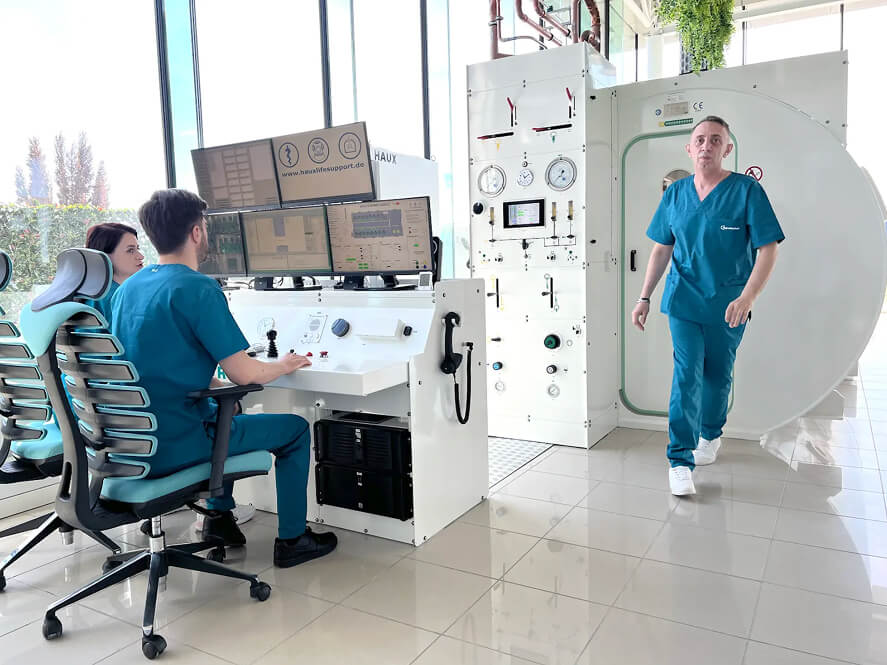
We have all heard about nosocomial infections, a recurring issue on the Romanian public agenda. Surgical wound infections represent approximately 20% of all healthcare-associated infections. Antibiotics are the first line of defense, but in the context of increasing antimicrobial resistance, their effectiveness alone becomes increasingly limited. This is where hyperbaric oxygen therapy comes in, and it can become an extraordinary supplement for those suffering from such an infection.
A review published in PM in 2023, which analyzed the role of hyperbaric therapy in the treatment of severe surgical infections, confirmed three major effects:
- First: oxygen in high concentration is directly toxic to many dangerous bacteria.
- Second: it increases the effectiveness of antibiotics, helping medications penetrate better into affected tissues.
- Third: it supports the immune system in fighting better, activating it where it must attack the bacteria and tempering it where it produces excessive inflammation that affects the body’s own tissues.
The researchers concluded that integrating hyperbaric therapy into postoperative recovery in high-risk patients can reduce infectious complications and shorten the duration of antibiotic treatment required.
In conclusion, antibiotics treat the infection, and hyperbaric oxygen therapy makes that treatment work better and faster, in an organism better prepared to fight.
Anti-angiogenic drugs and the paradox of wounds that do not heal
There is a special category of patients for whom hyperbaric therapy becomes essential not to potentiate a medication, but to counteract a major side effect of it: oncology patients who receive bevacizumab (Avastin) or other anti-angiogenic therapies.
Bevacizumab is a monoclonal antibody that blocks the formation of new blood vessels in the tumor, thereby depriving cancer cells of the possibility to grow. The problem is that the same mechanism that blocks tumor vascularization affects the healing of normal wounds. Patients treated with bevacizumab frequently have postoperative wounds or mucosal lesions that refuse to close because not enough new blood vessels can form. It is a difficult side effect to manage, and conventional medicine has few therapeutic options in this situation.
Hyperbaric therapy is one of the few interventions that can stimulate the formation of new blood vessels locally, by activating vascular growth factors — exactly the mechanism needed where bevacizumab blocks healing. Through this unique property, HBOT can partially counteract the systemic anti-angiogenic effect of bevacizumab at the wound level, allowing tissues to heal without interfering with the antitumor effect of the medication. This is not substitution, but complementarity: each tool acts where it is most useful.
What hyperbaric therapy does not do and why it matters to know this
It is equally important to understand the limits of hyperbaric therapy, not only its possibilities. HBOT is not a universal remedy and does not replace any treatment prescribed by your doctor. It does not work alone, in the absence of an integrated medical protocol, and it should not be started without a prior evaluation by a physician specialized in hyperbaric medicine.
There are clear contraindications: certain types of pulmonary lesions, severe uncontrolled claustrophobia, some medications that do not combine with hyperoxia, and clinical situations in which pressure variations could worsen the patient’s condition. At Hyperbarium, every patient undergoes a complete medical consultation before starting any therapeutic protocol, precisely to ensure that the benefits greatly outweigh the risks or that there are no contraindications.
Also, hyperbaric therapy does not increase the adverse effects of medications. On the contrary: by accelerating healing and creating a more favorable tissue environment, hyperbaric therapy can help shorten the duration of some treatments and reduce the doses needed in the long term, in patients in whom combined treatment works.

The future of combined therapy in modern medicine
Modern medicine is moving, gradually but surely, toward combined and personalized therapeutic protocols. The idea that a single medication, administered with dose as the only variable, can solve any complex problem of the body is beginning to disappear. Instead, systemic thinking is gaining ground: how do we optimize the biological environment so that every therapeutic tool, whether an antibiotic, a cytostatic drug, a corticosteroid or a growth factor, functions at its maximum potential?
Hyperbaric therapy answers exactly this question. It does not add a new medication to the protocol. It prepares the ground for the ones you already have. It opens the plasma highway, reoxygenates inaccessible tissues, activates the immune system, stimulates vascular healing, potentiates antibiotics and chemotherapeutic drugs, protects bone against the adverse effects of bisphosphonates and, overall, creates the conditions in which the body and conventional medicine can truly help each other.
There are already more than 17,800 studies and medical articles indexed on PubMed that analyze various aspects of hyperbaric therapy, a serious scientific literature accumulated over decades of clinical research. The direction is clear: hyperbaric therapy is not an exotic novelty, but a mature medical instrument, integrated into the protocols of reference institutions such as the Undersea and Hyperbaric Medical Society (UHMS) and the European Committee for Hyperbaric Medicine (ECHM).
The essential message is simple: do not change the prescribed treatment. Give it the perfect environment to succeed.