

Article reviewed by: Dr. Sturz Ciprian, Dr. Tîlvescu Cătălin and Dr. Alina Vasile
Article updated on: 05-02-2026
Do you want to quit smoking? How hyperbaric therapy helps you recover
- What happens in the body immediately after you quit smoking
- How long withdrawal lasts and what the stages are
- Haven’t taken the step yet? Why you should quit smoking
- Common withdrawal symptoms and how to manage them
- How the lungs recover after smoking
- Practical recovery methods after quitting
- The role of hyperbaric therapy in recovery after quitting smoking
- What studies say about hyperbaric therapy and quitting smoking
- What does a hyperbaric therapy session look like for a former smoker?
- Quitting is possible, recovery is real
Quitting smoking is an extraordinary decision for your health, but it is rarely a calm one. Most smokers know they should quit, but stop short when they think about withdrawal: anxiety, insomnia, irritability, coughing, the feeling that something in their body is not functioning properly. Some try multiple times and give up right when symptoms are most intense, without knowing that they have actually passed through the critical phase and improvement was about to follow.
The good news is that the body has a remarkable capacity for recovery, and biological benefits begin very quickly after the last cigarette. And while in the past the only options were sheer willpower and nicotine replacement, today there are also modern medical methods that can support the recovery process. One of these is hyperbaric oxygen therapy, which helps oxygenate tissues and accelerate healing, especially for smokers who have accumulated years of exposure and whose lungs, circulation, and nervous system need additional support.
What happens in the body immediately after you quit smoking
Smoking affects almost every system in the body: cardiovascular, respiratory, nervous, digestive, and even immune. Nicotine is the substance that creates addiction, but cigarette smoke contains over 7,000 chemical substances, many of them toxic and carcinogenic. However, once the last cigarette is extinguished, the body immediately begins to cleanse itself and adapt.
In the first 20 minutes after the last cigarette, heart rate and blood pressure begin to drop toward normal levels. After about 12 hours, the level of carbon monoxide in the blood returns to normal. Carbon monoxide is a toxic gas that binds to hemoglobin (the protein in the blood that carries oxygen) and “takes the place” of oxygen, reducing the blood’s ability to oxygenate tissues. When carbon monoxide disappears, the amount of oxygen available in the blood increases naturally, even without medical intervention.
In the first 2–12 weeks, blood circulation improves and lung function increases significantly. Over the course of 1–9 months, coughing and shortness of breath begin to gradually improve until they disappear, and the cilia (the microscopic hairs in the lungs that clear mucus and particles) begin to recover, improving the ability to eliminate impurities.
In the long term, quitting reduces the risk of cardiovascular disease, lung cancer, stroke, and chronic respiratory diseases. Studies published in 2023 and 2025 in cardiology journals confirm that quitting smoking is one of the most powerful interventions for reducing cardiovascular risk, with visible benefits even in people who have smoked for decades.
How long withdrawal lasts and what the stages are
Nicotine withdrawal has a physical component (the body adapts to the absence of nicotine) and a psychological one (the brain seeks the quick “reward” it used to receive from cigarettes, and daily habits are strongly linked to smoking). Physical symptoms are most intense in the first days and the first week, then gradually decrease over the following 2–4 weeks.
The first 24–72 hours are usually the most difficult. Cravings come in strong waves, irritability peaks, and many report a feeling of inner restlessness. Nicotine levels in the blood drop rapidly, and receptors in the brain demand the dose they were trained to function with. To ease these states, it is recommended to drink more water and chew gum or sugar-free candy. Keeping your mouth occupied—although it is not advisable to eat continuously for three days—can help you get through the harshest nicotine withdrawal symptoms more easily.
In the first 3–7 days, symptoms include strong irritability, anxiety, difficulty concentrating, insomnia, headaches, increased appetite, and intense nicotine cravings. For some, mild tremors or sweating may also appear, signs of autonomic nervous system adaptation. Ideally, during this period you should remove as many sources of irritation and stress as possible. You can introduce physical activity into your routine. You should also be mindful of how much you eat, as there is a tendency to replace nicotine addiction with food addiction, especially since taste buds begin to recover and food will have a new flavor.
In weeks 2–4, physical symptoms decrease significantly, but psychological cravings (linked to contexts and habits) may remain active. For example, coffee breaks, the moment after meals, or driving can be strong “triggers” even after physical nicotine dependence has passed. If you don’t smoke for a month, you can already consider yourself a non-smoker.
After the first month, for most people, physical symptoms have almost completely disappeared, but the behavioral and emotional components can persist for months. That is why ongoing medical, psychological, or group support makes a major difference in maintaining long-term abstinence.
Haven’t taken the step yet? Why you should quit smoking
If you are thinking of quitting smoking later—on Monday or starting on the 1st—it’s worth knowing what official figures say and what you actually risk by postponing the decision. In Romania, smoking remains one of the leading preventable causes of death. According to the National Institute of Public Health (INSP), the prevalence of daily smoking among adults (2021 data) was approximately 19%, with marked differences between genders: 30.8% of men and 7.7% of women smoked daily. These figures place Romania among the European countries with high smoking rates among men, and the public health impact is massive.
INSP emphasizes that tobacco is responsible for approximately 8 million deaths annually worldwide and that in Romania, cardiovascular diseases and lung cancer—both strongly linked to smoking—are the leading causes of mortality. This means that smoking doesn’t just make you cough more or feel tired; it dramatically increases the risk of heart attack, stroke, lung cancer, COPD, and dozens of other chronic conditions that significantly reduce both lifespan and quality of life.
At the European level, according to Eurostat, there are major differences between countries in smoking prevalence, but the general trend is a slow decline in traditional smoking, alongside increased use of alternative products (e-cigarettes, heated tobacco products). However, Romania remains in the high-rate zone, meaning the issue is current and relevant for hundreds of thousands of people.
Beyond statistics, there are personal and immediate reasons why it’s worth quitting right now. In the first 20 minutes after the last cigarette, heart rate and blood pressure begin to drop. Within 12 hours, carbon monoxide levels in the blood return to normal and oxygenation capacity increases. In the first weeks, lung function improves, and within a few months, the risk of heart attack begins to decrease. In the long term, quitting reduces lung cancer risk by up to 50% after 10 years and almost eliminates excess cardiovascular risk after 15 years.
Simply put: regardless of age or how long you’ve smoked, quitting brings immediate and long-term benefits. It’s never too late, and it’s not easier for others. These data are not just statistics; they show that quitting smoking is not a luxury or an ideal, but one of the most important health decisions an adult can make, with direct and measurable impact on longevity and quality of life.
Common withdrawal symptoms and how to manage them
Insomnia is one of the most common and bothersome symptoms in the first weeks. Nicotine was a stimulant and also affected circadian rhythm; when it disappears, many former smokers report difficulty falling asleep, frequent nighttime awakenings, or vivid dreams. It is recommended to establish a sleep schedule (if you’ve been meaning to do this for a while, now is the time) and to avoid caffeinated drinks after 2 p.m. If insomnia becomes severe and persists for more than two weeks, talk to your doctor about additional options, including behavioral therapies or, in selected cases, short-term pharmacological support.
Anxiety and irritability are direct effects of nicotine withdrawal at the brain level. Nicotine stimulated dopamine release (the reward neurotransmitter), and when it disappears, the brain goes through a deficit period until it recalibrates. For many, these symptoms peak in the first 3–5 days and then gradually subside. Moderate physical activity (brisk walking, yoga, light exercise) can significantly reduce anxiety by releasing endorphins. Slow abdominal breathing and simple relaxation techniques also help. If anxiety becomes severe or panic occurs, consult a doctor or a psychologist specializing in addiction.
Brain fog (difficulty concentrating, a feeling of a “heavy head”) is common in the first two weeks. It helps to structure your day into small tasks, take short movement breaks, and maintain proper hydration and balanced nutrition. This state usually improves after 2–3 weeks. Paradoxically, many people feel more tired in the first weeks after quitting smoking, even though they have given up a stimulant. The main causes are nervous system adaptation, sleep disruption, and sometimes anxiety, which consumes mental energy.
Coughing, whether productive or dry, after quitting smoking scares many people, but it can be a positive sign: the lungs are beginning to regain their “cleaning” capacity. Smoking paralyzes the cilia (microscopic structures in the airways that move mucus outward), and when smoking stops, the cilia begin to regenerate and actively eliminate accumulated mucus and irritating particles. It typically appears in the first weeks and can last up to several months, depending on how affected the lungs are. However, if coughing is accompanied by fever, blood in sputum, difficulty breathing, or persistent chest pain, it is essential to consult a doctor, as these may indicate infection or another condition.
How the lungs recover after smoking
The lungs have a remarkable capacity for regeneration, but the speed and extent of recovery depend on how long you smoked and any accumulated damage. In the first months after quitting, mucociliary clearance (the ability to eliminate mucus) improves, reducing the risk of respiratory infections and improving breathing quality.
Within a year, lung function (measured by spirometry) can increase by up to 10%, depending on baseline condition. In young individuals without chronic lung disease, recovery can be nearly complete. In smokers with chronic obstructive pulmonary disease (COPD) or other respiratory conditions, quitting stops disease progression and improves symptoms, but accumulated structural damage is not fully reversible.
In the long term (5–10 years), lung cancer risk decreases significantly, although it does not fully return to non-smoker levels, especially in long-term smokers. Studies show, however, that even in people who have smoked for decades, quitting brings clear and measurable benefits for respiratory and cardiovascular health.
Practical recovery methods after quitting
As mentioned earlier, there are certain things you can do to make cigarette cravings easier to manage. In addition to hyperbaric therapy, which helps your lungs recover faster, you can introduce a few new habits into your routine to support quicker recovery. Here’s what they are.
Hydration and healthy nutrition
Hydration helps eliminate toxins and maintain respiratory mucosal function. In addition, many former smokers confuse thirst or oral boredom with cigarette cravings, and a sip of water can interrupt that loop.
A balanced diet rich in protein, vegetables, and fruit supports recovery and reduces the tendency toward weight gain (which is common but manageable). Avoiding excess sugar and caffeine can reduce anxiety and improve sleep, helping you avoid the irritability associated with nicotine withdrawal.
Physical activity
Moderate physical exercise is one of the best remedies for withdrawal: it reduces anxiety, improves sleep, accelerates toxin elimination, and creates a positive routine. It doesn’t have to be intense; a brisk 30-minute walk per day is enough for clear benefits. If you already exercise, do not intensify your workouts, as you risk putting too much pressure on your body. Moderate intensity should be your target.
Relaxation techniques and stress management
Slow abdominal breathing, guided meditation, yoga, and mindfulness techniques can reduce anxiety and improve control over cravings. Many smoking-cessation mobile apps—from quit timers to mindfulness apps—offer free support programs that include such techniques.
Social and medical support
Quitting is much easier with support: family, friends, support groups, your family doctor, or a specialist. Ideally, in the first days after you quit smoking, you shouldn’t go out and meet up with friends who smoke. Inevitably, people will step out for a cigarette and your cravings will intensify. You can resume your social life after the first two weeks of withdrawal.
On the other hand, nicotine replacement therapy (patches, gum, spray) and validated medications (varenicline, bupropion) significantly increase long-term success rates, especially when you leave the house or go through stressful periods.
The role of hyperbaric therapy in recovery after quitting smoking
If you’ve tried to quit smoking before without success, then you should consider modern therapies that can help you get through withdrawal more easily. This is where hyperbaric therapy comes in as a modern medical support option.
It’s important to be clear from the start: hyperbaric therapy is not a treatment for nicotine withdrawal itself, but a medical method validated for multiple indications (wound healing, post-traumatic recovery, supporting oxygenation in conditions of tissue hypoxia), which can also be used as an adjunct in the context of recovery after smoking—especially in people with accumulated lung or vascular impairment.
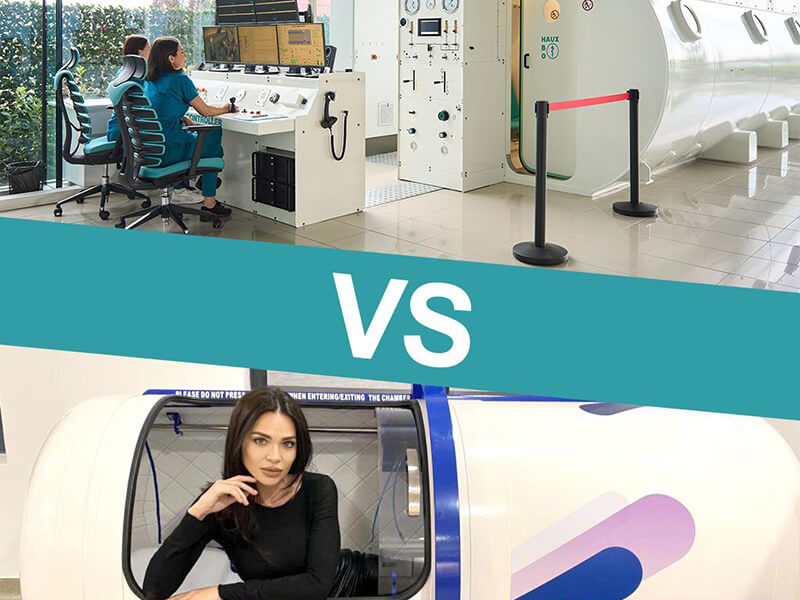
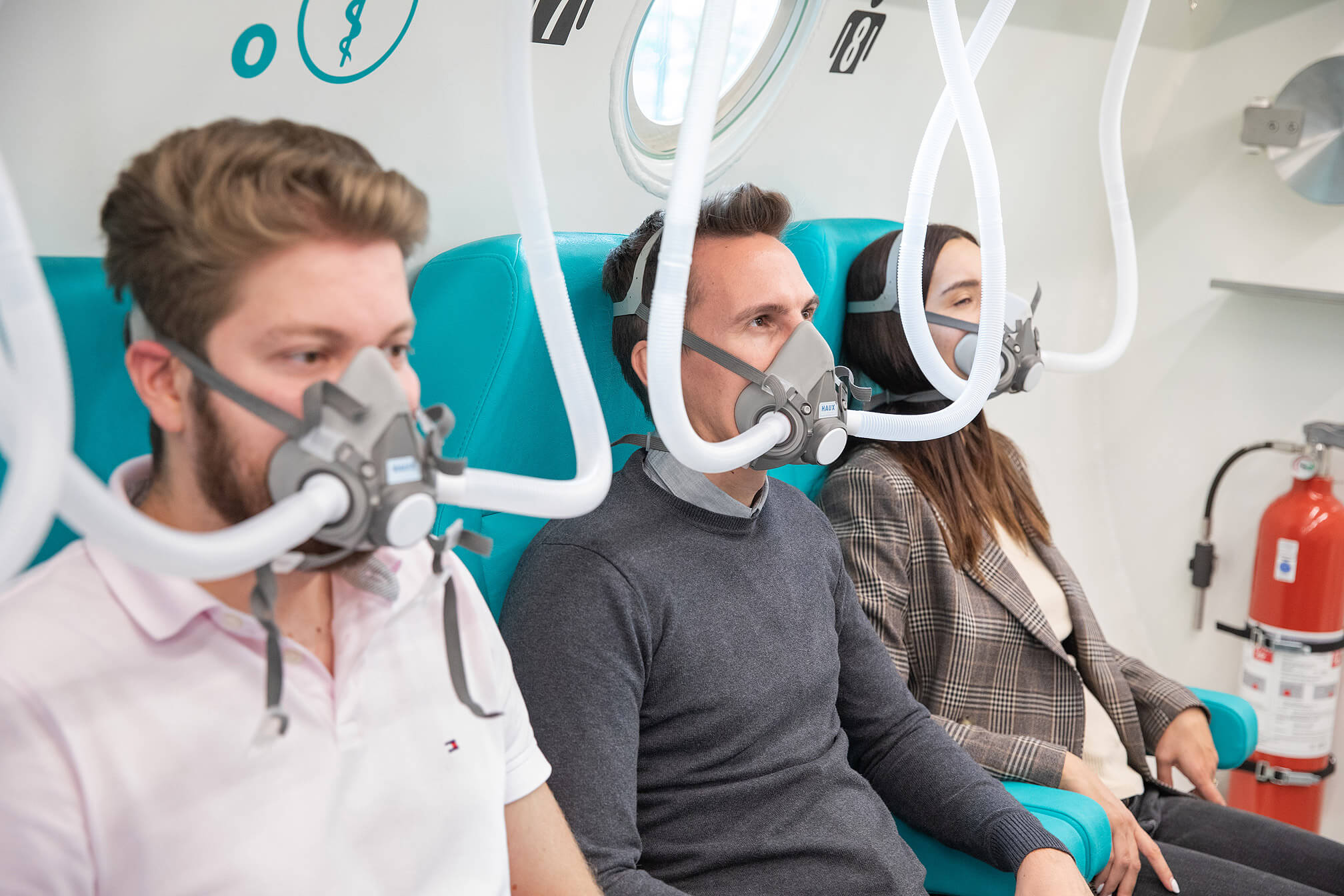
Hyperbaric oxygen therapy involves breathing 100% medical oxygen in a pressurized chamber, at pressures of 1.5 to 3 atmospheres absolute (ATA). In practice, the patient breathes pure oxygen in an environment where air pressure is 1.5–3 times higher than normal atmospheric pressure. This significantly increases the amount of oxygen dissolved in plasma (the liquid part of the blood), independent of hemoglobin, allowing oxygen to reach tissues more easily where circulation is reduced or compromised.
In smokers, circulation and tissue oxygenation are affected by years of exposure to carbon monoxide, nicotine (which has a vasoconstrictive effect), and chronic inflammation. Hyperbaric oxygen can support tissue repair processes, reduce inflammation, and improve endothelial function (the inner lining of blood vessels). This translates into a shorter recovery period for the body, and a better sense of well-being can help you get through the withdrawal period more easily.
What studies say about hyperbaric therapy and quitting smoking
Because it’s very important that any decision you make is informed, here are a few studies that connect hyperbaric oxygen therapy with quitting smoking, as well as the biological mechanisms behind this recovery method.
A pilot study published in 2022 by Wilson and colleagues in Pain Medicine evaluated hyperbaric therapy as an adjunct in opioid withdrawal in patients on methadone. The study was double-blind, randomized, and compared hyperbaric oxygen therapy (90 minutes at 2.0 ATA, 100% oxygen) with a “sham” condition (air at lower pressure). The results showed greater improvements in the group that received hyperbaric therapy in terms of pain, compulsive desire to use narcotics, and other indicators.
Why is this study important for people who have quit smoking? It suggests that hyperbaric therapy can be taken seriously as a possible adjunct in addiction and withdrawal syndromes, through mechanisms that may include modulation of inflammation, improved brain oxygenation, and support for neuroplasticity processes.
On the cognitive side (which can be affected during withdrawal through brain fog and difficulty concentrating), a randomized controlled trial published in 2020 by Boussi-Gross and colleagues in Aging reported improvements in cognitive performance in healthy older adults after an HBOT protocol of 60 sessions, 5 days per week, 90 minutes at 2 ATA. Imaging investigations (contrast-enhanced MRI) showed increases in cerebral blood flow in regions associated with memory and attention. The study did not directly analyze withdrawal, but it indicates that hyperbaric oxygen can support cognitive functions—an important benefit for former smokers who experience brain fog and mental fatigue in the first weeks.
In addition, the 2005 study by Granger and colleagues, which directly analyzed oxygen as an aid in nicotine withdrawal, observed that oxygen administration can influence certain neurotransmitters in the brain (such as dopamine) and might partially reduce withdrawal symptoms. Practically, it is more of a proof of concept: brain oxygenation can change how withdrawal feels. From this, we can conclude that oxygen therapy may help make nicotine withdrawal easier to manage.
Given the benefits of hyperbaric therapy—an increased amount of oxygen reaching tissues, reduced inflammation, helping eliminate carbon monoxide from the blood, and serving as an adjunct for chronic fatigue and recovery—it can be a useful tool, but it must be used with realistic expectations, the correct protocol, and in a medically supervised setting, alongside a pulmonologist.

What does a hyperbaric therapy session look like for a former smoker?
For someone who has just quit smoking, the concrete patient experience with hyperbaric therapy matters far more than dry technical details, so we’ll describe the procedure in practical terms for you.
A therapy session usually lasts between one and two hours, depending on the plan agreed with the doctor. At the beginning, the pressure in the chamber increases gradually to give the body time to adapt, and at the end it decreases just as slowly, like an airplane that climbs and then descends smoothly. The most common sensation is slight pressure in the ears, very similar to takeoff or landing, which is easily resolved by swallowing, yawning, or the small maneuvers you instinctively do when your ears “get blocked.”
For a former smoker, the important part is that you don’t go straight into the chamber—you first have a serious medical consultation. And at Hyperbarium you will find a professional team of open-minded doctors who understand that the first step toward recovery is acknowledging existing problems. Here, the doctor takes your history (how long you smoked, what other conditions you have), performs an examination, and clarifies with you why the therapy could be useful and what you can expect from it. They carefully check whether you have ENT issues (sinusitis, previous problems equalizing ear pressure), lung conditions (such as a history of pneumothorax or severe COPD), or other diseases that could make the procedure risky or less effective. For someone who has smoked for a long time, this step is also a good moment for an overall evaluation of the lungs and general health.
During the session, you are not alone in the chamber. Your pulse and blood pressure are monitored, and if you have diabetes, blood glucose is monitored as well, because the body reacts differently to oxygen and pressure when other conditions are involved. Medical staff are present the entire time, can see what is happening in the chamber, and can talk to you through a communication system, so if you feel any discomfort or have a question, you can tell them immediately.
As for how many sessions are needed, the answer is not universal—it is tailored. For someone in the recovery period after quitting smoking, a plan might mean, as a guideline, between 10 and 20 sessions, done a few times per week. Most likely you won’t feel the effects of hyperbaric therapy after the first session, but you will need time to experience: better oxygenation, support for repair processes, and a general sense of energy and clarity that builds gradually. Over time, many people notice not only that they breathe better, but also that they tolerate fatigue and the stress of the post-quitting period more easily, precisely because their body receives extra support in the effort to heal after years of smoking.
Quitting is possible, recovery is real
Quitting smoking is one of the most important health decisions you can make, regardless of age or how long you have smoked. Nicotine withdrawal is real and can be intense, but it peaks and then subsides. Symptoms such as insomnia, anxiety, irritability, fatigue, and coughing are normal in the first weeks and are signs that the body is adapting and recovering.
Practical methods such as proper sleep, movement, a balanced diet, hydration, and social support make a difference and can turn a battle with cravings into a manageable process. And if you want additional medical support—especially if you smoked for a long time and feel that you’re recovering slowly—hyperbaric therapy is a scientifically validated, safe, and increasingly accessible option that supports tissue oxygenation, reduces inflammation, and can improve overall well-being during the critical period after quitting.
The final message is simple: your body wants to heal. Quitting smoking gives it the chance to do that. And hyperbaric oxygen therapy, alongside other validated methods, can be a powerful ally on this journey.