



Article reviewed by: Dr. Sturz Ciprian, Dr. Tîlvescu Cătălin and Dr. Alina Vasile
Article updated on: 05-10-2026
Fibromyalgia: symptoms, causes and the role of hyperbaric therapy in treatment
- What is fibromyalgia?
- How common is fibromyalgia, really?
- The causes of fibromyalgia: what actually triggers the condition
- The symptoms of fibromyalgia: how the condition manifests in everyday life
- The tender points of fibromyalgia: the classic test and its evolution
- How the diagnosis of fibromyalgia is established
- Treatment for fibromyalgia: what actually works
- Medication for fibromyalgia: what doctors recommend
- Hyperbaric oxygen therapy for fibromyalgia: what the scientific studies show
- What you can do at home to improve your fibromyalgia symptoms
- Can you say that you have got rid of fibromyalgia?
- When is the moment to ask for specialised help
Pain that will not go away, fatigue that persists no matter how many hours you sleep, brain fog that makes your days harder to manage. All of these are daily realities for millions of people living with fibromyalgia. It is a condition that is talked about a great deal, yet which remains widely misunderstood, both by patients and, at times, by those around them. Many patients see several different doctors before receiving a clear diagnosis, because pain spread throughout the body, with no visible cause on test results, is difficult to explain and to understand.
Fibromyalgia affects, according to data compiled by our clinic on the basis of the international medical literature, between 2 and 4% of the general population, being far more common in women than in men, in an estimated ratio of approximately 9 to 1. Applied to Romania's population of roughly 19 million inhabitants, these percentages mean that somewhere between 280,000 and more than 700,000 Romanians may be living with this condition, most often women between the ages of 35 and 55, although it can occur at any age, including in adolescents. It cannot be completely cured, but it can be very well controlled through combined treatment, which may include medication, exercise, psychological therapy and, according to recent studies, hyperbaric oxygen therapy.
In the article below we explain, without complicated words, what fibromyalgia is, how it manifests, what causes it, how the diagnosis is established and what treatment options exist today, including what recent medical studies say about hyperbaric oxygen therapy. Every medical term is explained immediately, in simple words, so that you can follow the article even if you have no medical training whatsoever.
What is fibromyalgia?
Fibromyalgia is a chronic disease in which we feel pain in several areas of the body, without any wound, inflammation or injury to explain that pain. Even though many patients have been confronted with medical answers, or rather pseudo-medical ones, claiming that the condition is invented or imagined, it has been officially recognised by the World Health Organization.
Indeed, fibromyalgia is a real problem in the way the nervous system transmits and interprets pain signals. Among the first things noticed by those affected are the symptoms of fibromyalgia, which are not limited to pain alone. Associated with this condition are intense fatigue, sleep from which you wake up still tired, and difficulties concentrating, popularly called "brain fog". It is important to point out that fibromyalgia is not a life-threatening disease, but it can seriously affect quality of life because of the constant pain, the fatigue and the sleep disturbances. However, with correct treatment, most patients can nevertheless lead an almost normal life.
To understand it better, think of the nervous system as a dial that controls the volume of the pain we feel. In a person with fibromyalgia, this volume is turned up much louder than it should be, and the brain and spinal cord (together called the central nervous system) send pain signals far more intense than normal, even for minor stimuli, such as a light pressure on the skin. Doctors call this phenomenon "central sensitisation". The body's alarm system is far more sensitive than it should be. This is why blood tests, X-rays or MRI scans usually come out completely normal in people with fibromyalgia: the problem is not in the muscles or in the bones, but in the way the brain processes pain.
How common is fibromyalgia, really?
These figures are estimates based on the percentages reported in international studies, not data collected directly by the National Institute of Statistics, because in Romania fibromyalgia is not among the conditions for which there is centralised and public reporting. Even internationally, prevalence figures vary considerably from one study to another, depending on the methodology used and the diagnostic criteria applied.
A large-scale analysis, which gathered data from 65 studies carried out in several countries, on a total of more than 3.6 million people, calculated a mean global prevalence of 1.78% of the population. Another literature-review analysis places the overall prevalence somewhere between 0.2% and 6.6%, with values of up to 6.8% among women and with significant differences between urban and rural settings. The The European Alliance of Associations for Rheumatology (EULAR), the organisation that brings together the rheumatology societies from all over Europe and which develops the treatment guidelines used by doctors across the continent, summarises these figures with a simple estimate: approximately 2% of the population lives with fibromyalgia, but the condition is difficult to diagnose and manage, and patients "usually see several doctors before being diagnosed". This observation matches exactly what many Romanian patients experience for years, until a clear diagnosis.
Beyond how many people actually have the condition, there is a second, equally important question: how many of them are actually diagnosed? The difference is surprisingly large. A study based on the data of the German health insurance fund Barmer, with almost 7 million insured persons, found that only 0.3% of them had an official diagnosis of fibromyalgia recorded in the medical system in one year. In contrast, another study, conducted separately on a sample of almost 2,500 people from the general German population, applied the 2010 diagnostic criteria and found a real prevalence of 2.1%, seven times higher than the rate of official diagnoses recorded in the insurance system. The situation is even more pronounced in Japan, where, according to an epidemiological study conducted online, only 2.5% of the people who meet the diagnostic criteria of the condition had actually received a formal diagnosis. These figures show that fibromyalgia is, in many countries, a heavily underdiagnosed condition. In other words, far more people suffer from it than appear in the official statistics of health systems.
At international level, the American College of Rheumatology (the professional association of rheumatologists in the United States, whose criteria are used all over the world) established, in 1990, the first clear rules for diagnosing the condition. These rules were significantly updated in 2010 and again in 2016, to take into account not only pain, but also fatigue, sleep and concentration problems. In 2017, the European Alliance of Associations for Rheumatology published, in turn, a revised guideline for the management of fibromyalgia, developed by a multidisciplinary group from 12 countries, which reviewed almost 3,000 scientific studies; one of the main conclusions was that rapid diagnosis and correct patient information must be the first step, before any treatment, and that physical exercise is the only intervention to have received the highest level of recommendation, on the basis of the evidence from meta-analyses.

The causes of fibromyalgia: what actually triggers the condition
One of the most frustrating realities for patients is that, at present, the causes of fibromyalgia are not fully known. There is no single factor that triggers it, but rather several factors that accumulate over time, until the nervous system "crosses a threshold" and becomes hypersensitive to pain.
Genetic predisposition (passed down through the family) plays a clear role: the condition occurs more often in people who have close relatives with fibromyalgia or with other chronic painful conditions. This does not mean, however, that the condition is necessarily passed from parents to children, as happens with some classic genetic diseases, but rather that certain genetic traits make the nervous system more prone to this type of hypersensitivity, in combination with the environmental factors described below.
An important factor, confirmed by recent research, is severe emotional trauma, especially that suffered in childhood. A clinical study published in 2024 in the scientific journal Scientific Reports, signed by the researcher Boussi-Gross and her colleagues, analysed patients with fibromyalgia that appeared after sexual abuse suffered in childhood. The researchers observed that severe trauma experienced at a young age can permanently change the way the brain processes pain and emotions, essentially preparing the ground for the appearance of fibromyalgia years later. Explained simply: a brain exposed to very intense stress during the growth period "learns" to react excessively to things that, normally, should not hurt.
Other factors frequently encountered before the onset of the condition are severe viral infections, major surgical operations, accidents, a difficult childbirth or long periods of intense emotional stress. Chronic sleep problems are, at the same time, both a cause and a consequence of the condition. Indeed, poor-quality sleep reduces the body's capacity to recover and to control pain, creating a vicious circle that is hard to break without medical help.
Modern investigations of the brain (functional imaging, a technique that shows which areas of the brain are active) have revealed a different pattern of functioning in the areas involved in pain processing in people with fibromyalgia, compared with healthy people. This discovery is important because it explains why treatments that act on the nervous system, and not only on the muscles, tend to give better results.
The symptoms of fibromyalgia: how the condition manifests in everyday life
Widespread pain throughout the body is the main sign of the condition, but it is rarely the only one. Patients usually describe a dull, constant pain, felt on both sides of the body, in both the upper and the lower part, including along the spine. The intensity of the pain changes from one day to the next and can be influenced by stress, by the weather, by intense physical exertion or by nights on which you have slept little.
Intense fatigue is the second important sign and, for many patients, just as hard to bear as the pain. It is not a simple desire for sleep, but a state of deep exhaustion that does not go away even after rest, and which makes ordinary activities difficult, from work to simple household tasks.
Sleep problems go hand in hand with fatigue. People with fibromyalgia usually have shallow, interrupted sleep, from which they wake up feeling just as tired as before going to bed. Studies that measure brain activity during sleep (called polysomnographies, recordings of the brain waves, breathing and movements during the night) have found specific disturbances of deep sleep in these patients, which partly explains why sleep no longer has its usual recharging effect.
Difficulties concentrating, popularly called brain fog, include problems with attention, poorer short-term memory and a general feeling of slowed-down thinking. These symptoms can affect everyday life just as much as physical pain, especially when those around you do not understand them and put them down to a lack of effort.
Other frequent manifestations are morning stiffness on waking, sensations of tingling or numbness in the hands and feet, frequent headaches, irritable bowel syndrome (a digestive condition with bloating and changes in bowel movements), overactive bladder, increased sensitivity to cold, heat, light or sounds, as well as states of anxiety or persistent sadness, present in a significant proportion of patients. It is important to know that each patient has a different combination and a different intensity of these symptoms. This is the reason why fibromyalgia is often described as a condition with a thousand faces, because it differs from one person to another.
The tender points of fibromyalgia: the classic test and its evolution
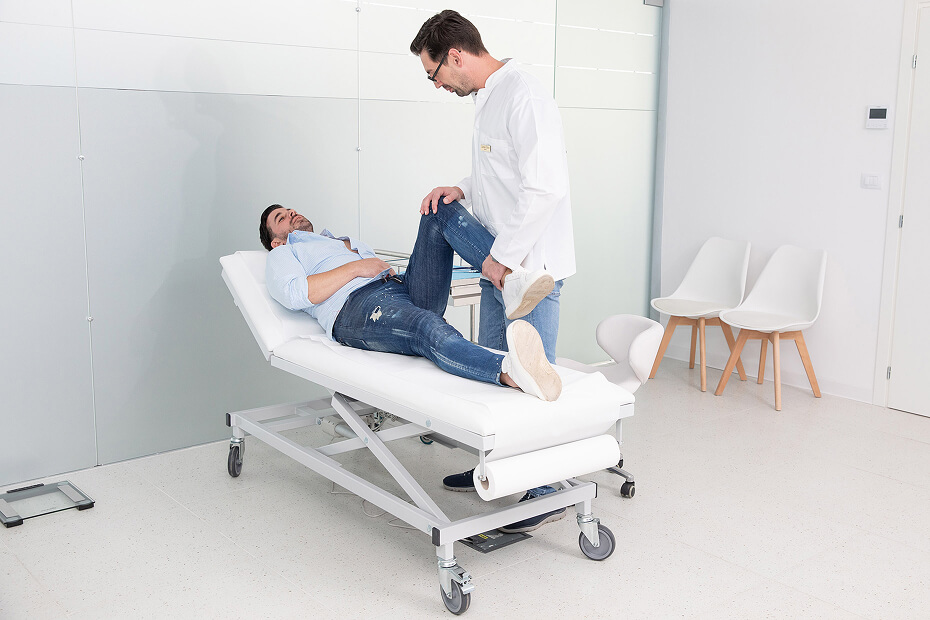
For more than two decades, the diagnosis of fibromyalgia was based mainly on checking the fibromyalgia tender points. The 1990 American College of Rheumatology rules stated that a patient has fibromyalgia if they feel widespread pain for more than three months, on both sides of the body, above and below the waist, and if they feel pain on light pressure (approximately the pressure of pressing with a thumb on a surface) in at least 11 of the 18 specific points on the body, located symmetrically.
These 18 points are found in pairs, in areas such as the back of the head, the base of the neck, the middle of the shoulders, the shoulder-blade area, the upper border of the chest, the outer side of the elbow, the upper part of the buttocks, the hip on the side and the inner side of the knee. A doctor can check these points during a routine consultation, pressing with a constant force and watching the patient's reaction.
This check of the tender points is still useful today to support a diagnosis, but doctors have observed that it has limits: it does not take into account fatigue, sleep problems or concentration difficulties, which are just as important for the patient as the pain itself. This is why, in 2010 and again in 2016, the American College of Rheumatology introduced new rules, which are no longer based exclusively on pressing the 18 points, but on two combined indicators: a score that counts in how many areas of the body you feel pain, and a separate score that measures fatigue, sleep and concentration problems.
How the diagnosis of fibromyalgia is established
There is, unfortunately, no blood test or imaging investigation (MRI, X-ray, ultrasound) that can directly show fibromyalgia. Indeed, this is one of the most frustrating things for patients, who look for a visible proof of their suffering. Any medically relevant test for fibromyalgia is, in fact, based on the patient's description of the symptoms, combined with the exclusion of other conditions that could cause similar symptoms.
The current diagnostic process usually involves calculating a score that counts in how many of the 19 areas of the body you have felt pain in the past week: shoulders, arms, hips, thighs, legs, assessed separately on the left and right side, plus jaw, chest, abdomen, neck and back. In parallel, the doctor assesses a second score, which measures how strong the fatigue, sleep problems and concentration difficulties are, plus the presence of other symptoms, such as headaches or digestive problems.
The diagnosis is confirmed when the two scores combine in a certain way. Most often, the doctor confirms fibromyalgia when the first score, the pain one, is high, at least 7 out of the 19 possible areas, and the second score, the one measuring fatigue, sleep and concentration difficulties, is at least 5. There is also a second variant, for patients whose pain is somewhat more localised: if the first score is moderate, between 4 and 6, but the second score is very high, at least 9, the diagnosis can be confirmed just as well. Essentially, a more moderate level of pain can be compensated, from a diagnostic point of view, by very pronounced fatigue, severely affected sleep or severe concentration difficulties. In both situations, it is mandatory for the symptoms to have been present for at least three months and for there to be no other condition that can explain them better.
The doctor will usually ask you for standard blood tests: a complete blood count, inflammation markers and a thyroid function test, not to confirm fibromyalgia, but to exclude other conditions with similar symptoms, such as thyroid problems, rheumatoid arthritis, lupus or a deficiency of certain vitamins. Most of the time, patients live with these symptoms for years before receiving a clear diagnosis, because the pain and fatigue are initially put down to stress or to other conditions; a consultation with a rheumatologist experienced in chronic painful conditions can significantly speed up this process and spare the patient repeated and unnecessary investigations.
Treatment for fibromyalgia: what actually works
At this moment, there is no treatment that completely cures fibromyalgia, and this must be said clearly and honestly. But the fact that it is a chronic condition does not mean there are no effective solutions to control it. The treatment of fibromyalgia usually combines several types of interventions, such as medication, exercise, psychological therapy and, increasingly often, adjunctive therapies (used alongside the main treatment) supported by recent research, among which is hyperbaric oxygen therapy.
Explaining the condition to the patient is the first step recommended by the European specialist guidelines (developed by the European Alliance of Associations for Rheumatology, the organisation that brings together the rheumatologists of Europe). Understanding that the pain is real, but comes from an overly sensitive nervous system, and not from a physical injury, helps patients worry less and avoid repeated, costly and unnecessary investigations.
Regular physical exercise, adapted to each patient's capacity, is considered one of the most effective scientifically proven solutions. Activities such as walking, swimming or exercising in warm water help reduce pain in the medium and long term, even if at the beginning they may cause temporary discomfort. Cognitive behavioural therapy (a form of psychological therapy that helps you change the way you think about pain) also has solid results, helping patients stop seeing every pain as a sign that something serious is happening, and organise their daily routine better.

Medication for fibromyalgia: what doctors recommend
The drug treatment of fibromyalgia is based mainly on a few types of medication approved specifically for this condition or used on the basis of the results obtained in clinical studies. Pregabalin, a medication that calms the excessive activity of the nerves, is one of the options approved for fibromyalgia, useful especially for reducing the intensity of pain and for better sleep.
Duloxetine, an antidepressant that acts on chemical substances in the brain involved both in mood and in pain perception (serotonin and noradrenaline), is often prescribed, especially when fibromyalgia comes together with sadness or anxiety. Amitriptyline, an older antidepressant, used in small doses, in the evening, remains one of the most recommended options for better sleep and for reducing chronic pain, because its effects are well known after years of use.
It is important to say that none of these medications cures the condition; rather, they keep the symptoms under control, and the results differ greatly from one patient to another. In addition, side effects, such as drowsiness, weight gain or dry mouth, can make it difficult for the patient to tolerate the treatment in the long term. This is why many patients and doctors look for complementary solutions, which can reduce the need for high doses of medication or increase the effect of the standard treatment.
Hyperbaric oxygen therapy for fibromyalgia: what the scientific studies show
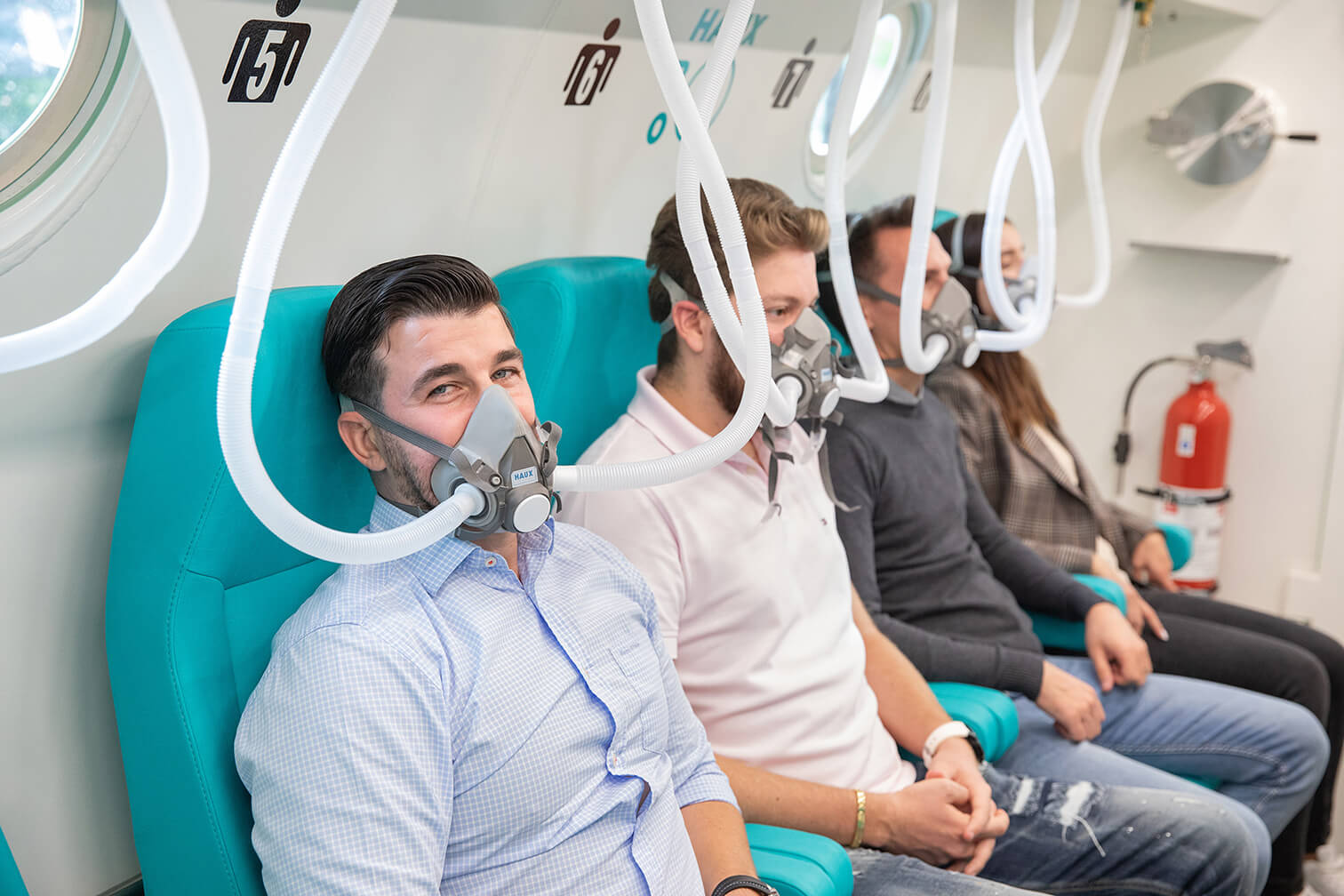
This is where one of the most interesting research directions of recent years comes in. Hyperbaric oxygen therapy means breathing pure medical oxygen, in a pressurised chamber (at a pressure higher than the normal pressure of the air we breathe every day). The reason it can help patients with fibromyalgia is related to neuroplasticity, that is, the brain's ability to rebuild the connections between neurons. Oxygen breathed at high concentration, under increased pressure, reaches the cells in far greater amounts and stimulates the formation of new blood vessels and the activity of the areas of the brain affected by the hypersensitivity to pain.
The study already mentioned, published in 2024 in Scientific Reports by the researcher Boussi-Gross and her colleagues, directly compared hyperbaric therapy with standard drug treatment (pregabalin and duloxetine), in patients with fibromyalgia that appeared after childhood trauma. The participants underwent 60 sessions in which they breathed 100% oxygen, at a pressure double the normal one, for 90 minutes per session. The results showed a much greater improvement in symptoms in the group treated with hyperbaric therapy, compared with the group that received medication only. Imaging investigations of the brain (a technique called SPECT, which shows how active each area of the brain is) confirmed increased activity in the areas at the front and on the sides of the brain in the patients treated with hyperbaric therapy, exactly the areas linked to pain processing. And this is visible proof that the brain has recalibrated itself.
An analysis that gathered the results of several scientific studies, published in 2024 in the Journal of Medical Evidence and which included 180 participants, showed that hyperbaric therapy clearly reduces the number of tender points and makes the skin less sensitive to pressure, compared with usual treatment. In practice, the patients treated with hyperbaric therapy had, on average, more than 6 fewer tender points than those who followed only the usual treatment, a difference considered very important from a medical point of view.
Another analysis of this kind, published in 2023 and available in full on the medical platform PubMed Central, analysed data from 163 participants from several studies and confirmed clear improvements in symptoms and in the number of tender points at the end of the treatment. A study published in 2021 in the journal Pain Medicine showed, in turn, that eight weeks of hyperbaric therapy, five days per week, are safe and well tolerated by patients with fibromyalgia, with benefits that lasted at least three months after the end of the treatment, including for anxiety, sadness and sleep quality.
Last but not least, a clinical study from 2024, carried out with lower pressures, showed clear improvements in pain perception, in the tendency to think about one's own pain in the most negative way and in quality of life, in the women treated with hyperbaric therapy, compared with the group that did not receive this treatment and showed no improvement. The fact that several independent studies, carried out in different places, obtain similar results is important for doctors, because it shows that the benefits are not coincidental. You can read more about how hyperbaric therapy works and about other conditions for which there is solid evidence in our article dedicated to scientific studies in the field of hyperbaric medicine, as well as in the general presentation of the effectiveness of hyperbaric therapy, where fibromyalgia is mentioned among the conditions for which a reduction in pain has been observed in more than 70% of cases.
It is important to keep in mind, in this context, that hyperbaric therapy does not replace the medication prescribed for fibromyalgia, but is used alongside it, as adjunctive treatment; all the studies cited above were carried out either by direct comparison with medication, or by combining the two approaches, and the best results are obtained when hyperbaric therapy complements, rather than replaces, the therapeutic plan recommended by the doctor.
It is equally important to understand, for your safety, that these benefits refer strictly to medical hyperbaric therapy (HBOT), carried out in chambers certified as medical devices, at higher pressures (up to 3 atmospheres), with pure medical oxygen, under the supervision of a doctor and of certified operators. The mild hyperbaric capsules (called mHBOT), which you can find in wellness salons or spas, operate at much lower pressures and with oxygen-enriched air, not pure oxygen, which is why they cannot offer the same results as those demonstrated in the studies above. We have explained this important technical difference at length in the article about the differences between medical hyperbaric chambers and mild hyperbaric devices, so that you can make an informed choice. At Hyperbarium, hyperbaric therapy sessions for fibromyalgia take place exclusively in certified medical hyperbaric chambers, with a complete medical team, following a protocol adapted to each patient.
What you can do at home to improve your fibromyalgia symptoms
Alongside the treatment established by the doctor, there are a few simple habits, which you can apply at home, that help reduce the intensity of the pain and achieve a better general state. None of these measures replaces medical treatment, but, used consistently, they can make the difference between a hard day and a manageable one.
A regular sleep schedule is probably the most important change you can make. Going to bed and waking up at fixed times, even at the weekend, helps the brain enter the phases of deep sleep more easily, the phases that are hardest to recover in people with fibromyalgia. It is useful to avoid screens (phone, television) for at least 30-60 minutes before bedtime, to keep the room cool and dark, and to limit caffeine in the second half of the day.
Heat applied locally has a proven effect of muscle relaxation and temporary pain reduction. A warm bath, a heat pad or a warm compress, applied to the most painful areas, can ease the feeling of stiffness, especially in the morning, on waking, or after a physically demanding day.
Gentle movement, done at home, at your own pace, helps the body avoid locking up because of the pain. A few minutes of gentle muscle stretching, deep breathing exercises or a short walk, at a comfortable pace, are enough to maintain mobility, without overloading the body. A useful principle to keep in mind is not to alternate periods of intense exertion with periods of complete rest, but to distribute your energy evenly throughout the day. Patients with fibromyalgia frequently describe this pattern of exhaustion followed by forced recovery as one of the most frustrating aspects of the condition, and a constant, moderate pace helps to avoid it.
Relaxation and stress management techniques, such as controlled breathing, guided meditation or progressive muscle relaxation exercises, can reduce tension in the body and can lower pain perception, since stress is one of the factors that amplify pain signals in people with fibromyalgia. Even ten minutes a day, done consistently, can have a visible effect in the medium term.
Teas for fibromyalgia can, in turn, be a small help at home, especially in the evening, as part of a relaxation routine. Chamomile tea has a mild calming and anti-inflammatory effect, being useful for relaxing the muscles and for preparing the body for bed. Valerian tea is known for its soothing effect on the nervous system and can help during periods of more pronounced anxiety, but it must be used with care if you are already on treatment with sleeping medication or antidepressants, because of the risk of the two interacting. Ginger tea, thanks to its mild anti-inflammatory effect, is appreciated for reducing general muscular discomfort, while turmeric tea, popular for its content of curcumin (a substance with an anti-inflammatory effect studied in other conditions), is often used, empirically, by patients with chronic pain. It is important to be honest: no tea treats fibromyalgia, but it can contribute to relaxation and to better sleep, as part of a broader routine.
A simple symptom diary, in which you note daily your pain level, sleep quality, energy level and any trigger factors (a day with a lot of stress, a night with little sleep, greater physical exertion), can help you and your doctor identify patterns and adjust the treatment more effectively.
It is important to note that you must always discuss with your attending doctor before introducing medicinal plants or supplements into your daily routine, especially if you are already on medication for fibromyalgia, in order to avoid unwanted interactions.
Can you say that you have got rid of fibromyalgia?
This is probably the question that weighs most heavily on every patient's heart. Today's medical reality is that fibromyalgia is considered a chronic condition, without a documented complete cure at this moment, but clinical experience clearly shows that a very large improvement is possible, to the point that many patients feel they have got rid of fibromyalgia from the perspective of its impact on their everyday life, even if the condition, strictly from a medical point of view, has not been completely eliminated from the body.
The difference between getting rid of fibromyalgia in the sense of strong improvement and complete cure is important to understand. Strong improvement means that the pain, the fatigue and the concentration problems decrease a great deal, reaching a level that allows an almost normal life, without the condition having disappeared from the body in the strictly biological sense. This sustained improvement is the realistic goal of any well-built treatment, and it is exactly what the studies presented above show: improvements that last for months after the end of a combined treatment, which may include hyperbaric therapy, adapted medication, exercise and psychological therapy.
The factors that influence the chances of strong improvement are: rapid diagnosis of the condition, adherence to the treatment established by the doctor, active management of stress and of past traumas, if these have been identified as possible causes, and access to evidence-based adjunctive treatments, such as hyperbaric oxygen therapy. Patients who combine several types of treatment, under the coordination of a medical team, usually obtain better results than those who rely on medication alone.
When is the moment to ask for specialised help
If you feel pain spread throughout your body for more than three months, intense fatigue without explanation and sleep problems that do not go away with simple measures, it is important to talk to a rheumatologist or to your family doctor, for a correct diagnosis and to exclude other possible causes. A diagnosis made quickly spares you years of uncertainty and repeated investigations, and helps you start a suitable treatment more quickly.
For patients already diagnosed, who have not observed a sufficient improvement with the usual treatment, medical hyperbaric oxygen therapy can be an adjunctive solution supported by increasingly solid scientific evidence, as we explained above. At the Hyperbarium clinic, the initial assessment includes a thorough discussion about the patient's medical history, in order to establish whether hyperbaric therapy is suitable and to build a personalised treatment plan, carried out exclusively in certified medical hyperbaric chambers, under the permanent supervision of the medical team. You can find out more about how a session takes place, about the safety conditions and about all the conditions for which hyperbaric therapy is indicated in our complete guide for patients.
Fibromyalgia remains a complicated condition, but not one without hope. A correct understanding of the condition, an accurate diagnosis and a personalised treatment plan, which can also include modern options, such as hyperbaric oxygen therapy, offer patients today real chances to regain control over their own lives.