

Article reviewed by: Dr. Sturz Ciprian, Dr. Tîlvescu Cătălin and Dr. Alina Vasile
Article updated on: 08-08-2026
Hyperbaric therapy in Arad: wellness capsules or comprehensive medical treatment?
- What you actually find when searching for hyperbaric therapy in Arad
- mHBOT (wellness) vs. HBOT (medical): the difference at a glance
- Why do adequate pressure and pure oxygen matter?
- What do studies say about medical hyperbaric therapy?
- What the medical standard at Hyperbarium Oradea means in practice
- How much does hyperbaric therapy cost?
- From Arad to Oradea
- Your body needs the right conditions to heal
If you are from Arad and looking for hyperbaric therapy, you will find capsules, wellness centers, and prices that may seem attractive at first glance. The choice may appear simple. The more you learn, however, the more an important question emerges: what are you actually getting?
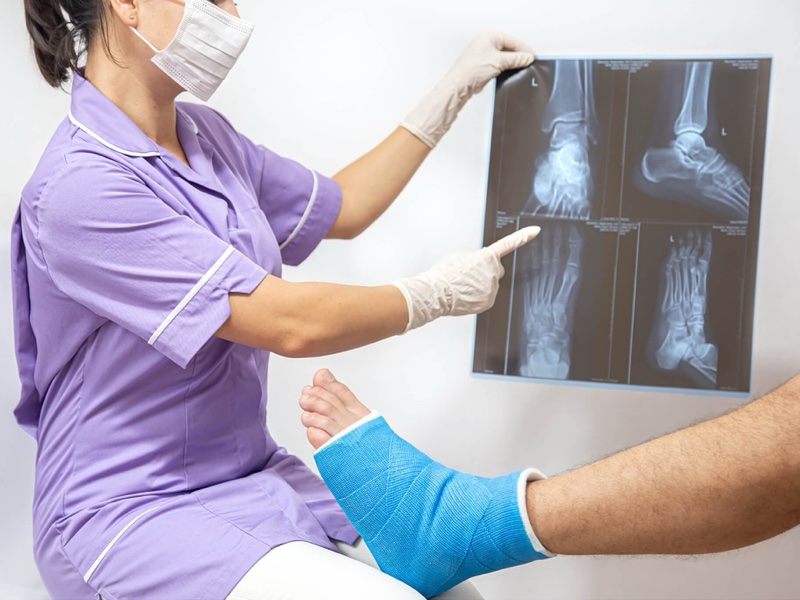
If you need hyperbaric therapy for a serious health problem, such as diabetic foot, a wound that will not heal, the after-effects of a stroke, or osteonecrosis, you will notice that local options are limited.
The reason is simple: not all equipment that uses oxygen under pressure operates under the same conditions or produces the same effects in the body. For serious conditions, this difference is no longer just a technical detail; it is an essential criterion when choosing treatment.
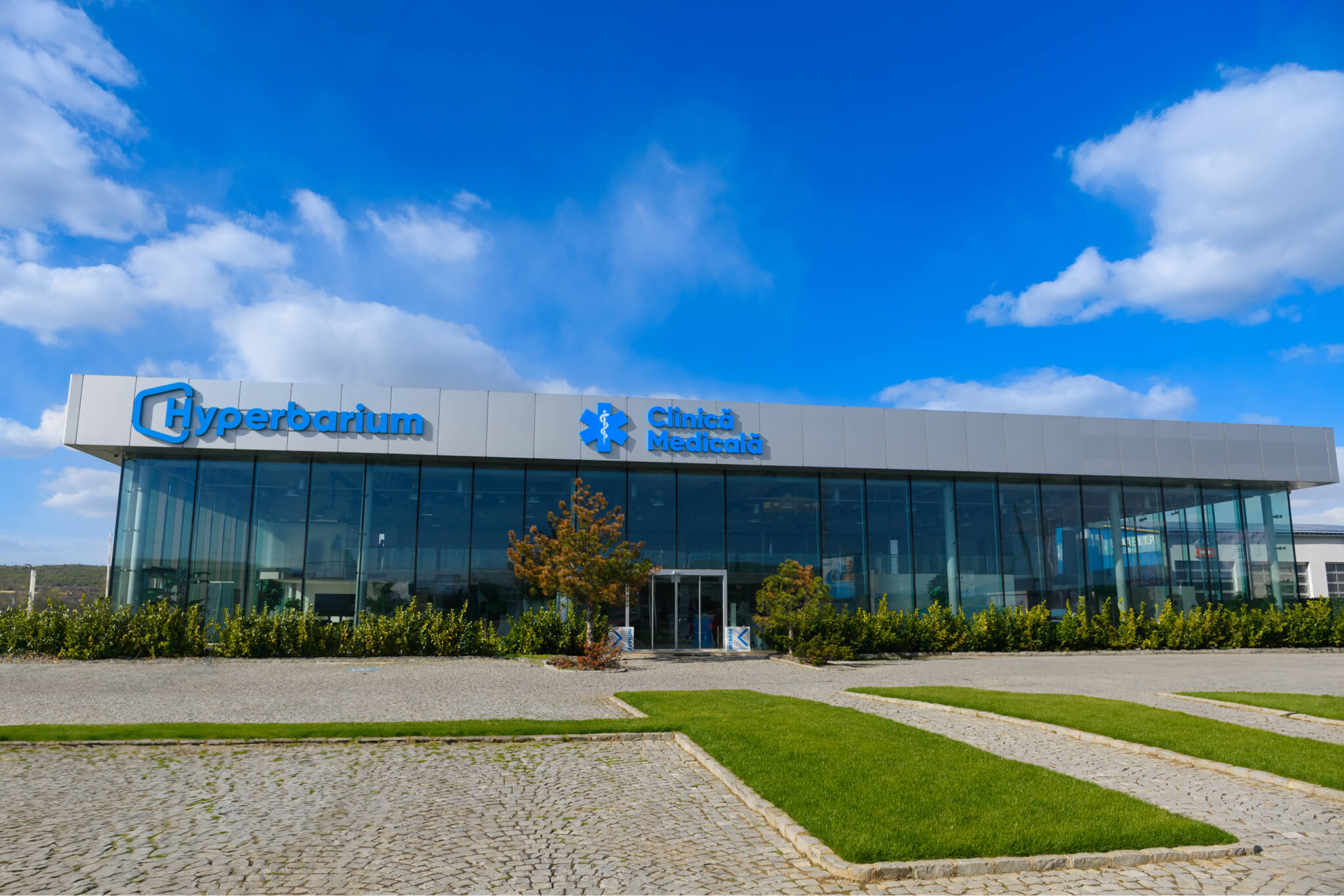
The good news is that you do not have to travel very far. About 100 km from Arad is the Hyperbarium Oradea Clinic, one of Romania’s most modern private hyperbaric medicine centers and one of the country’s few accredited centers.
What you actually find when searching for hyperbaric therapy in Arad
At present, the options available in Arad are exclusively mHBOT (mild Hyperbaric Oxygen Therapy), a mild form of hyperbaric therapy.
That is not necessarily a problem if you want a place to relax, rejuvenate, and receive mild oxygenation. But if you need rehabilitation treatment for a condition such as edema or bone necrosis, a diabetic ulcer, or Lyme disease, then you need something different.
Confusion sometimes arises from terminology: the term “hyperbaric therapy” covers several types of equipment and protocols with very different parameters. For someone who does not work in this field, those distinctions are not always obvious in online descriptions.
To make it easier to understand what a low-pressure wellness hyperbaric capsule (mHBOT) does, here are a few points to keep in mind.
- low pressures, usually around 1.3–1.5 ATA;
- oxygen-enriched air, not 100% medical oxygen;
- usually individual 1-seat capsules
These parameters place mHBOT in the wellness category rather than the medical category. Clinically, it is therefore different from medical hyperbaric therapy. It may be an option for relaxation or rejuvenation. But for serious conditions, the difference between the two types of equipment becomes extremely medically relevant.
mHBOT (wellness) vs. HBOT (medical): the difference at a glance
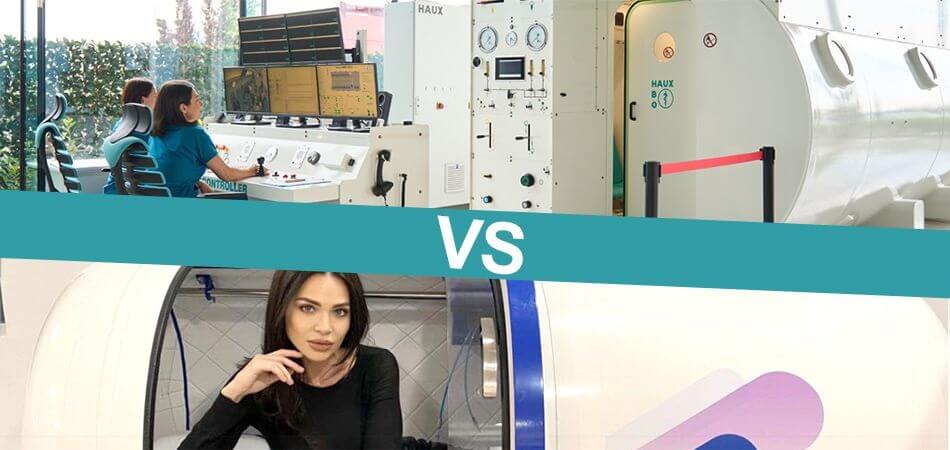
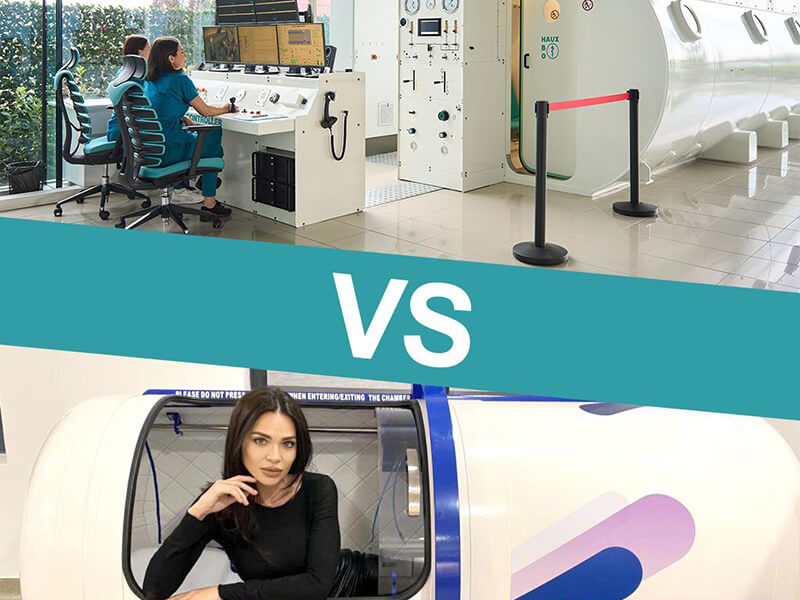
If you are wondering about the difference between medical hyperbaric therapy and the wellness capsules available in cities such as Arad, the answer lies in several essential technical parameters. The table below compares mHBOT and medical HBOT according to the criteria that matter most clinically.
| What do you receive? | mHBOT (Wellness/Capsule) | Medical HBOT (Hyperbarium) |
|---|---|---|
| Pressure | ~1.3 ATA (Minimal effect) | Up to 3.0 ATA (Essential for healing) |
| Session duration | 60–90 minutes | Approx. 120 minutes |
| Oxygen breathed | 24%–90% purity (From concentrators) | 100% medical oxygen (Certified purity) |
| Effect in the body | Insignificant increase | Oxygen penetrates deep into the blood and tissues |
| Medical indications | Approved only for acute mountain sickness (altitude) | Approved for 30 conditions at European level |
| Staff | Supervision from outside or remotely | Specialist physician + 2 operators + medical assistant inside |
| Average price | €36–€60 | €80–€100 |
The clinical studies doctors refer to when discussing the benefits of hyperbaric therapy were conducted in certified medical chambers at pressures of at least 2 ATA and with 100% oxygen.
These conditions are not the same as those in wellness capsules, which are increasingly common in Romania, including in and around Arad. Because the pressure and oxygen concentration differ, their effects on the body also differ. Therefore, results obtained in medical hyperbaric chambers cannot automatically be attributed to wellness capsules.
Why do adequate pressure and pure oxygen matter?
In medical hyperbaric therapy, high pressure helps 100% medical oxygen enter the blood in greater quantities and reach areas with poor circulation. This can support wound healing and the recovery of damaged tissues.
mHBOT uses lower pressures and often compressed air or lower oxygen concentrations. Consequently, it does not produce the same increase in oxygen dissolved in plasma and is not equivalent to medical hyperbaric therapy for treating serious conditions.
What do studies say about medical hyperbaric therapy?
Hyperbaric therapy is not a recent medical trend promoted only online. It has been used for decades in hospitals and specialized centers around the world.
These include the Hyperbarium Clinic, one of Romania’s most modern and one of its few accredited hyperbaric medicine centers. Internationally, the therapy has more than 30 recognized indications and is supported by thousands of studies explaining when it can be effective and under what conditions it should be administered.
Diabetic foot and wounds that do not heal. This is one of the areas with the strongest clinical evidence. UHMS includes hyperbaric therapy among the accepted indications for difficult wounds, and studies confirm its value: a 2024 meta-analysis published in PubMed (Zhao et al., PMID: 38531355) found that HBOT increased the complete healing rate of diabetic ulcers to 46.76% compared with the standard-treatment group while also reducing the amputation rate. Another 2017 meta-analysis (Santema et al., PMID: 28935291) reached the same conclusion: HBOT is a clinically relevant adjunctive therapy, with better results than standard care in reducing wound surface area.
Complications of diabetes. Beyond diabetic foot ulcers, hyperbaric therapy is also studied as an adjunctive treatment for diabetic neuropathy, diabetic retinopathy, and diabetic microangiopathy—conditions in which poor circulation deprives tissues of the oxygen they need to function and regenerate. Preliminary data also suggest a positive effect on glucose tolerance, although this remains an active area of research.
Osteonecrosis and complex injuries. In early-stage aseptic necrosis of the femoral head, hyperbaric therapy is increasingly recommended as an adjunctive option because its mechanism—deep oxygenation of bone tissue—makes pathophysiological sense. International guidelines also support HBOT for refractory osteomyelitis, radiation injuries, and compromised tissues, situations in which regeneration cannot progress without an adequate oxygen supply. A recent systematic review reported approximately 75% therapeutic success in patients with chronic refractory osteomyelitis treated with HBOT.
Recovery after stroke. The brain needs oxygen more than any other organ. After a stroke, some areas of the brain survive but no longer function normally because of reduced circulation. One study showed clear improvements in patients with long-standing post-stroke deficits, also confirmed by brain imaging. Another study reported improvements in memory and concentration in 86% of patients. Importantly, not every post-stroke patient is automatically a candidate; a specialist physician must be consulted first.
Inflammation and regeneration. Beyond specific conditions, one reason hyperbaric therapy is used in such different contexts is that it reduces inflammation and stimulates the formation of new blood vessels in poorly vascularized tissues. These processes are relevant in conditions such as ulcerative colitis, Crohn’s disease, and fibromyalgia, where tissue hypoxia plays a central role in perpetuating symptoms.
Sudden hearing loss and tinnitus. Sudden idiopathic hearing loss is a medical emergency in which timing matters enormously. UHMS officially approved it as an indication in 2011, and clinical experience shows that early HBOT intervention, within the first few days after onset, significantly increases the chances of partial or complete hearing recovery.
All these results refer to medical hyperbaric therapy, not low-pressure wellness capsules. A wellness capsule reaches a maximum of 1.3 ATA and produces only a modest rise in plasma oxygen, according to studies on this subject. Pressure, certified equipment, protocol, and medical monitoring matter enormously when you have a serious health problem.
Therefore, if you have a serious condition, the right question is not “Do you offer oxygen therapy?” but:
- At what pressure is the therapy administered?
- Is 100% medical oxygen used?
- Is it a certified medical hyperbaric chamber?
- Is there a physician who establishes the protocol?
- Is there genuine medical monitoring throughout the session?
What the medical standard at Hyperbarium Oradea means in practice
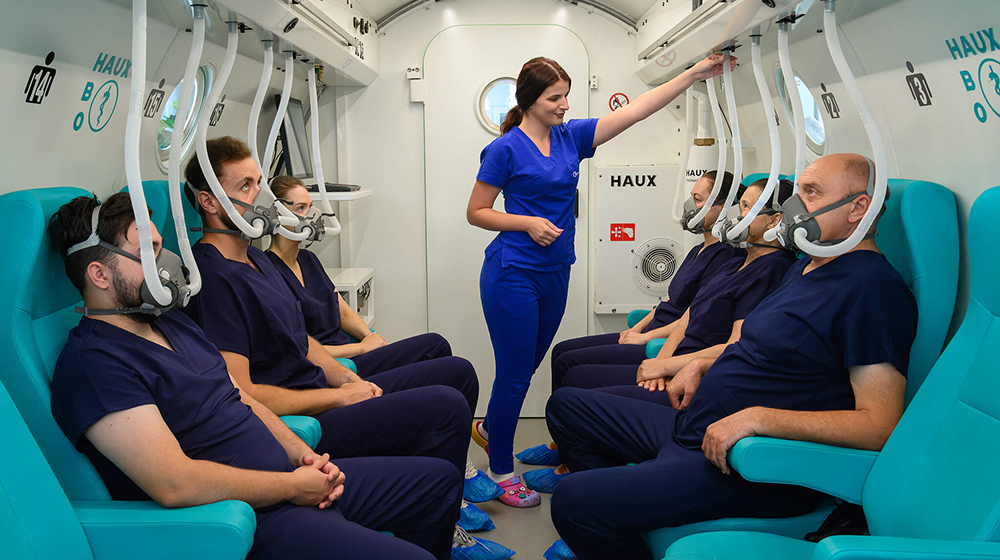
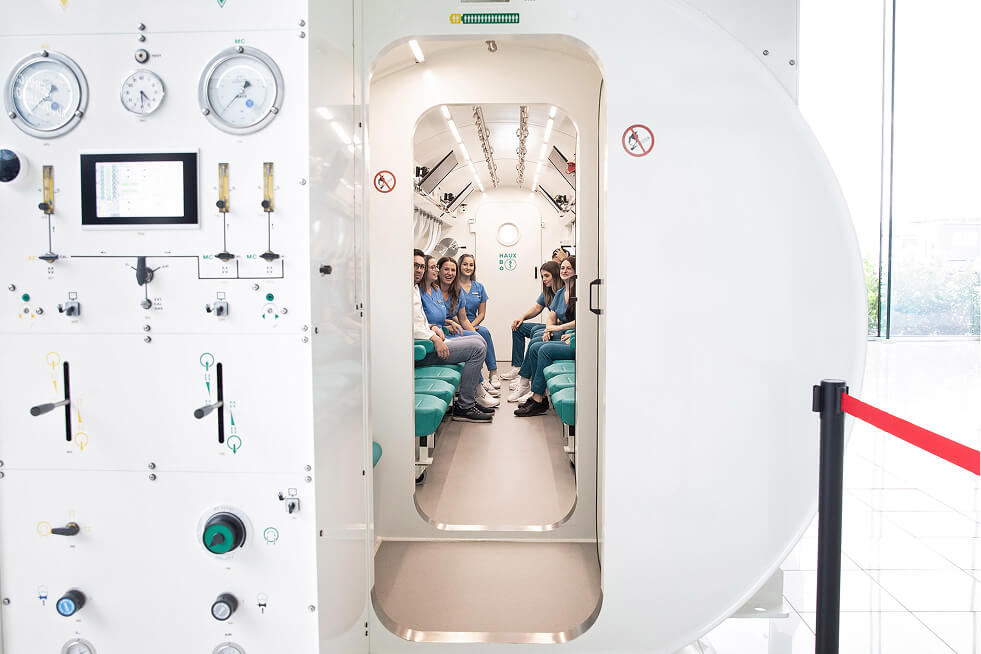
The Hyperbarium Oradea Clinic was opened with a clear purpose: to provide hyperbaric medicine to international standards, without technical or medical compromises. The clinic provides hyperbaric therapy in a certified medical chamber made in Germany, with 16 seats, 100% medical oxygen, and pressures of up to 3 ATA.
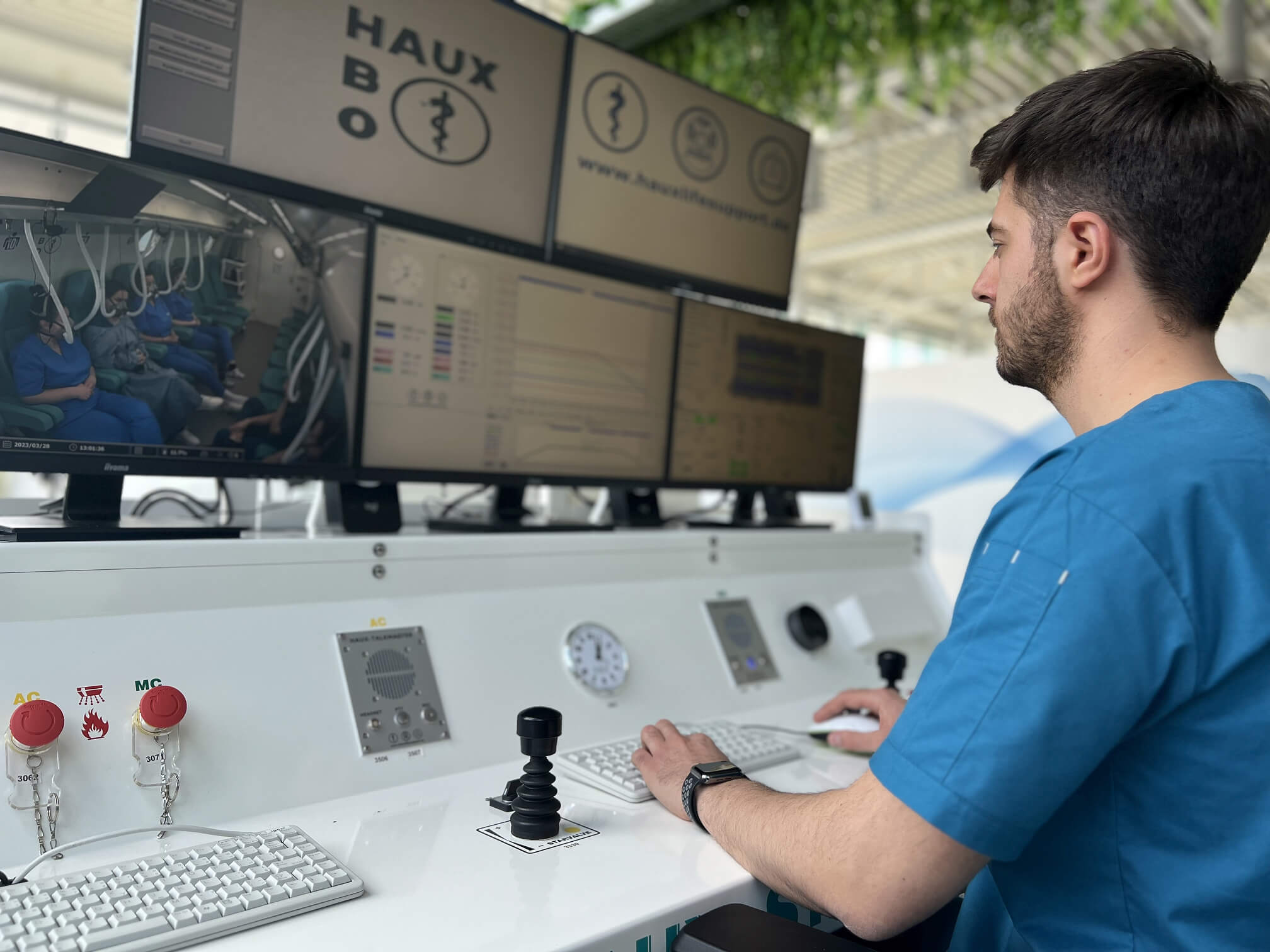
The chamber is spacious, reducing feelings of claustrophobia and allowing a medical professional to remain inside during the session. Outside, trained operators supervise the treatment.
Moreover, treatment begins with a medical consultation. The physician checks whether hyperbaric therapy is appropriate for the patient, reviews indications and contraindications, and then establishes the protocol. Depending on the diagnosis, a protocol may generally include between 10 and 20 sessions or more.
The Hyperbarium Oradea team is coordinated by Dr. Ciprian Sturz, a surgeon with more than 15 years of experience in German hospitals, including Klinikum Nürnberg and Klinikum Roth.
How much does hyperbaric therapy cost?
In Romania, hyperbaric therapy is not currently reimbursed by the National Health Insurance House in private clinics, regardless of the city. That is why it matters that the money is invested in treatment with genuine medical parameters.
- Wellness capsules (mHBOT): €36–€60 per session. The lower price also reflects the lower parameters—lower pressure, different oxygen, and a different category of equipment.
- Medical HBOT (Hyperbarium Oradea): €100 per session, or €80 per session with the 20-session package. You are paying for 100% medical oxygen, genuine therapeutic pressure, a certified chamber made in Germany, a physician-established protocol, and continuous monitoring.
There is indeed a price difference between the two services because the conditions under which they are provided are also different. At Hyperbarium, the price includes certified medicinal oxygen, therapeutic pressure, German-made medical equipment maintained regularly, qualified medical staff, a physician-established protocol, and continuous supervision throughout every session.
From Arad to Oradea
The distance between Arad and Oradea is approximately 100 km and can be covered in about an hour and a half. For a 2–3-week protocol, patients from Arad usually choose one of two options:
- Local accommodation in Oradea or in the Băile Felix resort, about 10 minutes from the clinic. You attend your daily session and devote the rest of the day to rest and recovery.
- Daily commuting, which is more suitable for those who do not want to be away from their family or workplace.
Your body needs the right conditions to heal
There are times when a professional relaxation session is exactly what we need. A wellness capsule that provides mild oxygenation can restore a sense of well-being, especially after stressful and exhausting periods.
For people from Arad seeking hyperbaric therapy to recover from a wound that will not heal, a bone condition, a stroke, or complications of diabetes, one of the nearest options is the Hyperbarium Clinic in Oradea.
Here, you have access to both medical hyperbaric therapy and a multidisciplinary team of physicians who can guide you through recovery and adapt treatment to your condition.
The evaluation is clear, based on medical data, and free of exaggerated promises. If hyperbaric therapy is right for you, you will receive a personalized protocol. If it is not right for you, you will be told directly and will be able to make an informed decision.
For appointments and additional information, you can contact the Hyperbarium Oradea clinic at 0359 44 22 55.