

Article reviewed by: Dr. Sturz Ciprian, Dr. Tîlvescu Cătălin and Dr. Alina Vasile
Article updated on: 05-10-2026
Radiation cystitis: causes, symptoms and hyperbaric oxygen therapy
- What radiation cystitis is and why it needs a careful evaluation
- How radiation cystitis evolves: from the acute form, to the chronic and late forms
- What symptoms radiation cystitis has and their impact on quality of life
- How common is radiation cystitis – official statistics
- Conventional treatment for radiation cystitis
- Hyperbaric oxygen therapy in radiation cystitis: how it works
- What the clinical studies show about hyperbaric oxygen in radiation cystitis
- Natural treatment for radiation cystitis: what can and what cannot help
- What you find on forums about radiation cystitis, and what the internet cannot tell you
- Hyperbaric therapy at the Hyperbarium Clinic: how the treatment goes and what the price is
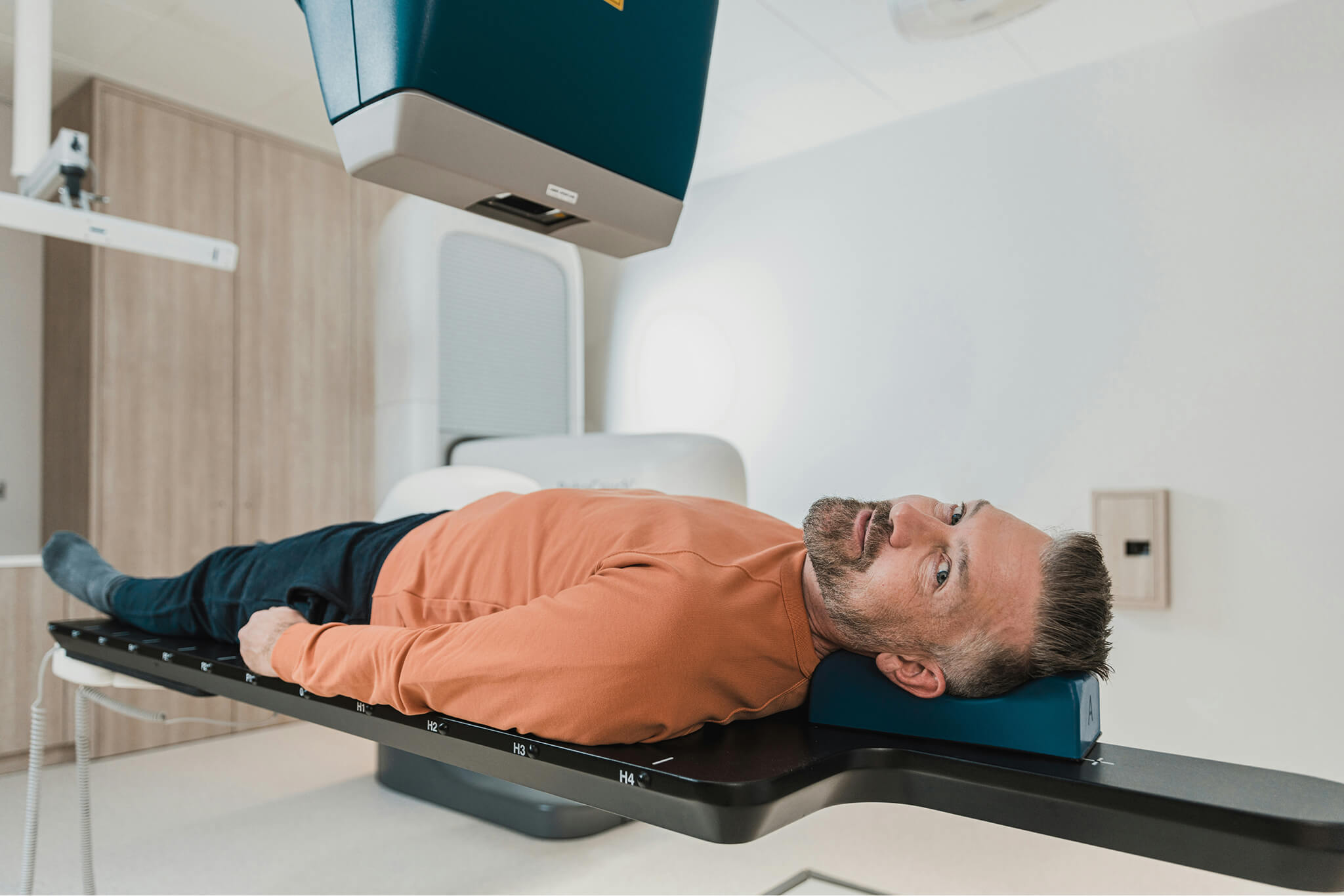
Radiotherapy is one of the treatments that have radically changed the prognosis of many forms of cancer. For tumours of the prostate, cervix, bladder, rectum or other cancers in the pelvic area, irradiation can control the disease and can save lives. Sometimes, however, once the oncological treatment has ended and the main problem seems resolved, the healthy tissues that were exposed to radiation begin to show the effects of this exposure.
The bladder is one of the organs that can be affected. Symptoms may appear during radiotherapy, a few months after treatment or even after several years. Frequent urination, urgency, a stinging sensation and, above all, blood in the urine may be manifestations of a condition called radiation cystitis or irradiation cystitis.
The late form is more than a simple inflammation of the bladder. Radiation can, over time, affect the small blood vessels that nourish the bladder wall. The tissue receives less oxygen, becomes fibrous, and the remaining vessels are fragile and can bleed. It is precisely this combination of reduced vascularisation, hypoxia and reduced healing capacity that explains why some cases persist and why hyperbaric oxygen therapy has a special role in the treatment of late injuries caused by radiotherapy.
What radiation cystitis is and why it needs a careful evaluation
Radiation cystitis, also called irradiation cystitis, is bladder damage that may occur after radiotherapy administered for a cancer located in the pelvic area. It is most commonly seen after treatment for prostate, cervical, bladder, rectal cancer or other pelvic tumours. Unlike ordinary cystitis, usually caused by bacteria, radiation cystitis is a non-infectious inflammation: its cause is the effect of radiation on the tissues of the bladder.
Radiotherapy has the role of destroying tumour cells or stopping them from multiplying. Because the bladder lies close to the treated organs, part of its tissues may be exposed to radiation. Modern radiotherapy treatments limit this exposure as much as possible, but each person's body reacts differently, and some injuries can occur even after a correctly planned treatment.
The bladder is the organ where urine collects before it is passed. When its walls are affected by radiation, they can become more sensitive and more irritated. As a result, some people end up urinating more often, feeling a stinging sensation, pressure in the lower abdomen or an urgent need to go to the toilet. For this reason, many people mistake radiation cystitis for an ordinary one, although the two are not the same thing.
Radiation cystitis can occur during radiotherapy, immediately after it ends, or months, or even years later. When symptoms develop a longer time after treatment, doctors speak of late radiation cystitis. This form is linked mainly to progressive changes in the small vessels and in the bladder tissue, not just to the temporary irritation produced during the radiotherapy sessions.
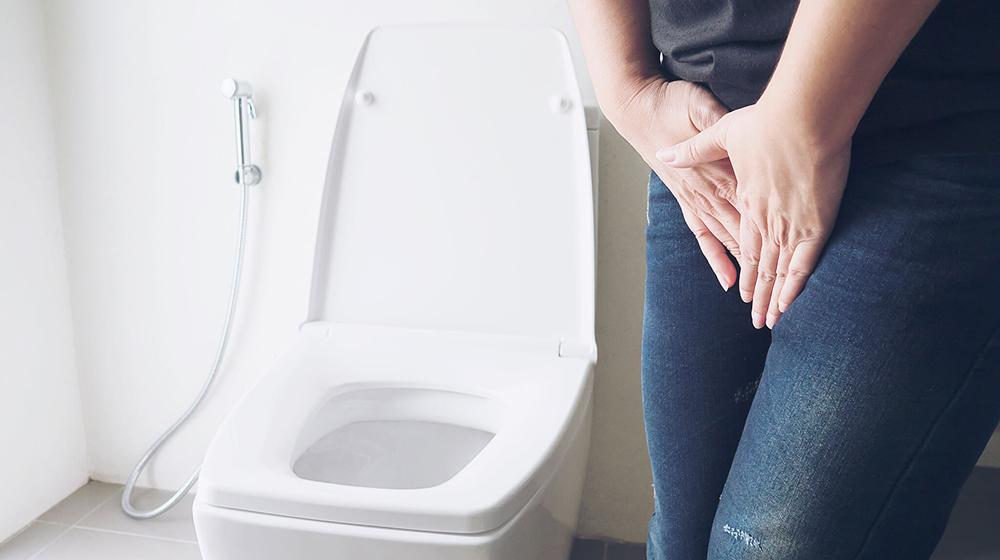
Symptoms differ from one person to another. Some people feel the need to urinate more often, including at night, or have an urgent need to reach the toilet. A stinging sensation when urinating, pressure or pain in the lower abdomen, passing small amounts of urine and urinary incontinence may occur. An important symptom is haematuria, that is, the presence of blood in the urine. Sometimes it is noticed only on laboratory tests. In other cases, however, the urine turns pink, red or brown, and in more intense forms clots may appear.
The presence of blood in the urine after radiotherapy should not automatically be put down to radiation cystitis. The urologist must also rule out other causes, such as a urinary infection, stones, the effects of certain medicines, a new urological condition or a recurrence of the oncological disease. For this reason, the diagnosis may include urine tests, urine culture, blood tests, ultrasound or other imaging investigations, and an examination of the inside of the bladder with the help of a thin camera.
What is the difference between ordinary cystitis and radiation cystitis
Here it is important to make a clear distinction, because many patients wonder why the antibiotic does not help. In ordinary cystitis, the kind each of us has come across at least once in life, bacteria enter the bladder and multiply. Indeed, this type of cystitis is an ordinary urinary infection. There the antibiotic works because it eliminates the bacteria, which are the cause of the problem.
In radiation cystitis, there are no bacteria to eliminate. The problem is a different one: the radiation has directly injured the cells in the bladder wall and, more importantly, the very small blood vessels that nourish this tissue. That is why an antibiotic is not found among the treatments for radiation cystitis. Instead, the tissue injured by radiotherapy needs time and support in order to recover.
How the healthy bladder normally works
Before we understand what goes wrong in radiation cystitis, it is useful to see what things look like when everything works well. The bladder is, in essence, an elastic muscular reservoir located in the pelvic area, with the role of collecting the urine continuously produced by the kidneys and of eliminating it when the right moment comes. To do this without pain and without complications, the bladder needs three essential elements, which work together.
On the inside lies the mucosa, a thin, smooth layer that comes into direct contact with the urine and protects the surrounding tissue from any irritating substances it may contain. Around the mucosa lies a muscular layer called the detrusor, made up of fibres that allow both the stretching of the bladder as it fills and a strong, uniform contraction when the urine must be eliminated. All this tissue is nourished by a dense network of very small blood vessels, called capillaries, which bring the oxygen needed for the mucosa to renew itself constantly, just like any healthy tissue in the body.
As you will see below, radiotherapy can affect precisely these three elements: the mucosa, the muscle and the network of capillaries, and understanding how they normally work is the key to seeing exactly what changes when radiation cystitis appears.

How radiation cystitis evolves: from the acute form, to the chronic and late forms
Radiation cystitis does not manifest in the same way in all patients, and the moment when the symptoms appear in relation to radiotherapy completely changes the way we understand the disease and treat it. In essence, there are three stages of evolution, and the mechanism behind them differs considerably from one to another.
The acute form appears during radiotherapy or in the first three months after it ends, and the main problem at this stage is simply irritation. The bladder mucosa, the thin inner layer, is directly inflamed by the radiation, just as the skin would become irritated after too much exposure to the sun. Because of this, the bladder sends the signal that it needs emptying too early, and the patient feels the need to urinate frequently, with a stinging sensation and a feeling of urgency. For the same reason, the acute form can be mistaken for an ordinary urinary infection. The good news is that, in most cases, it resolves on its own within four to six weeks, as the mucosa repairs itself.
The situation changes radically when symptoms persist for more than six months after radiotherapy. This is the threshold from which we speak of chronic radiation cystitis, and here the mechanism becomes far more complex than a simple irritation. Over time, the radiation also affects the small blood vessels that nourish the bladder wall: some narrow or gradually disappear, others become extremely fragile. In effect, these “tubes” through which the blood circulates behave like an old garden hose, which gets clogged and stiffens. The result is that less blood, and implicitly less oxygen, reaches the bladder wall. Without enough oxygen, the tissue can no longer renew itself normally, becomes fragile, bleeds at the slightest touch and, over time, develops small abnormal blood vessels, called telangiectasias, which can rupture spontaneously.
At the same time, the bladder wall can become stiffer, through the process called fibrosis. Thus, instead of stretching easily as it fills, it behaves like a material that has lost its elasticity, and the bladder ends up tolerating a smaller volume of urine, sending the emptying signal sooner.
This explains why a person may go to the toilet many times a day even though they drink roughly the same amount of liquids as before: it is not a matter of “a lazy bladder” or of an imaginary problem, but of a real consequence of the changes produced in the tissue. Unlike the acute form, the chronic form does not resolve spontaneously, because structural injuries already established lie at its base, not just a passing inflammation.
There is also a third stage, that of late radiation cystitis, used for the cases in which the symptoms, in particular the bleeding, medically called haematuria, appear many years, sometimes more than a decade, after radiotherapy. An analysis published in Translational Andrology and Urology describes exactly this type of delayed effects of pelvic radiotherapy: changes in bladder capacity, frequent urination, urinary urgency, haematuria, incontinence and, in certain cases, narrowing of the urethra or other urinary complications. In effect, not even the passage of time is a guarantee that the bladder has “forgotten” the exposure to radiation, which is why any patient who has undergone pelvic radiotherapy should report to the doctor any bleeding or newly appeared urinary discomfort, no matter how much time has passed since the oncological treatment.
The right treatment for each patient is established precisely according to this picture: how much time has passed since the radiotherapy, how intense the bleeding is and how advanced the changes in the bladder wall are. We discuss the concrete symptoms of the disease and their impact on the patient's day-to-day life in detail in the next section.
What symptoms radiation cystitis has and their impact on quality of life
The symptoms of radiation cystitis can vary greatly from one patient to another, from a mild discomfort, which passes almost unnoticed, to manifestations that completely change the way the patient lives their day. What matters most, from a medical point of view, is not only the type of symptom, but also how much it affects everyday activities: sleep, work, going out of the house or close relationships.
The most common signs reported by patients are:
- the sudden and very frequent need to urinate, both during the day and at night (doctors call this nocturnal phenomenon nocturia, that is, repeatedly waking from sleep in order to go to the toilet)
- a burning or stinging sensation when urinating
- pain or a constant feeling of pressure in the pelvis, even when the bladder is not full
- urinary urgency, that is, that imperative need to reach the toilet quickly, hard to put off even for a few minutes
- the presence of blood in the urine, from traces barely visible, noticed only on laboratory analysis, to bleeding visible to the naked eye, sometimes accompanied by clots, which may require emergency hospitalisation
- in more advanced cases, a reduced capacity of the bladder, which makes the feeling of a “full bladder” appear much sooner than before
What truly distinguishes radiation cystitis from an ordinary urinary infection is the persistence of these symptoms and their lack of response to standard treatments, such as antibiotics. A bacterial cystitis usually improves within a few days of treatment. Radiation cystitis, by contrast, can persist for months or years if it is not approached correctly, precisely because its mechanism is not infectious, but circulatory, as we explained in the previous section.
For the same reason, a correct diagnosis always requires additional investigations, not just a simple urine test. Cystoscopy, a procedure through which the urologist directly visualises the inside of the bladder with the help of a miniature camera, is essential to confirm the type of injury and to rule out other possible causes of the symptoms, such as a superimposed urinary infection or, what worries patients the most, a recurrence of the initially treated cancer.
An article published on our blog explains at length the mechanisms of urinary infections and the way in which they differ from other conditions of the bladder, useful information for a better understanding of this differential diagnosis.
Beyond the physical symptoms, the psychological and social impact of the disease is just as real, although we talk about it far less often. Studies carried out on patients with chronic conditions of the bladder show a clear link between the severity and frequency of urinary symptoms and the level of anxiety experienced, as well as an increased risk of sleep disorders, social isolation and, in prolonged cases, depressive symptoms.
It is easy to understand why this happens: a person who never knows for sure whether they will have quick access to a toilet tends to restrict their own activities. Consequently, they avoid long outings, travel and social meetings. And this gradual narrowing of day-to-day life can, over time, affect self-image and the general sense of wellbeing.
Precisely in order to measure this real impact on quality of life, not just the severity of the physical symptoms, the researchers who carried out the RICH-ART study, which we will discuss at length below, used a standardised questionnaire called EPIC (Expanded Prostate Cancer Index Composite). This instrument includes questions related both to the urinary symptoms themselves and to the degree of discomfort and worry these cause in the patient's day-to-day life. Among the aspects assessed are:
- the degree of anxiety related to the need to always have quick access to a toilet, especially in public places or when away from home
- disrupted sleep due to the repeated waking caused by the need to urinate
- the restriction of social or professional activities, out of fear of having an episode of urinary urgency or bleeding
- the impact on the couple's relationship and on intimacy, often avoided in ordinary conversations between patient and doctor, but captured by this type of questionnaire
This approach, which looks at the disease not only through the lens of laboratory tests, but also through the way it affects the patient's real life, is essential for understanding why an effective treatment for radiation cystitis does not mean only stopping the bleeding, but also restoring a state of normality and peace of mind to the patient, precisely the result that hyperbaric oxygen therapy pursues, as we shall see.
How common is radiation cystitis – official statistics
Radiation cystitis is not a rare condition, although many people have never heard of it before being diagnosed. Data published in the international medical literature show that the incidence varies greatly, between 9% and 80% of the patients who undergo pelvic radiotherapy, depending on the type of cancer, the dose of radiation and the technique used (PMC: Chronic Inflammation and Radiation-Induced Cystitis) If we refer strictly to the chronic form, the most clinically relevant one, the figures settle somewhere between 5% and 10% of all the patients treated through pelvic irradiation, a percentage also confirmed by the team that carried out the RICH-ART study, the largest randomised clinical study on this subject (eClinicalMedicine: RICH-ART, 2025)
In order to better understand the real scale of the problem in Romania, it is useful to look at the number of patients who reach radiotherapy each year for the cancers that most frequently lead to radiation cystitis. According to the latest GLOBOCAN data, Romania records annually approximately 7,953 new cases of prostate cancer in men and 4,841 new cases of bladder cancer, the two types of cancer being among the main causes of pelvic radiotherapy in the male sex GLOBOCAN – Romania Country Fact Sheet.
In women, the Ministry of Health reports, in the National Cancer Control Plan, approximately 3,380 new cases of cervical cancer diagnosed annually, a condition that is frequently treated through pelvic radiotherapy or brachytherapy Ministry of Health – National Cancer Control Plan.
Even if not all these patients will develop a symptomatic form of radiation cystitis, if we apply the incidence percentages reported in the international literature, it follows that, at the level of these two categories of cancer alone, several hundred patients in Romania face this complication each year. And this number is large enough to justify the need for correct information and for access to effective treatments.
It is also worth noting the fact that men are affected by radiation cystitis almost three times more frequently than women, mainly because of the high frequency of radiotherapy for prostate cancer. It must also be taken into account that the symptoms may appear at an average distance of approximately 2-3 years from the end of the oncological treatment, although, as we mentioned, cases of late radiation cystitis can appear even after 10-15 years.
Conventional treatment for radiation cystitis
When we talk about the treatment for radiation cystitis, it must be said from the beginning that the therapeutic approach depends directly on the severity of the symptoms and on the moment when the disease is diagnosed. For the mild forms, with irritative-type symptoms (frequent need to urinate, stinging, mild pelvic discomfort), doctors generally recommend adequate hydration, anti-inflammatory medicines, analgesics and, when necessary, anticholinergic medicines that reduce the involuntary contractions of the bladder.
For the moderate to severe forms, especially those accompanied by bleeding (haematuria), the treatment becomes more complex. Intravesical instillations with various substances, such as hyaluronic acid, aluminium salts or, in extreme cases, formalin, are used to reduce the bleeding. It must be mentioned, however, that the last option is rarely used today because of the significant risks it involves.
In the cases refractory to these treatments, one may reach more invasive procedures, such as electrocoagulation through cystoscopy, arterial embolisation or, in the most severe situations, the surgical intervention of removing the urinary bladder (cystectomy), a last-resort solution because of the major impact it has on the patient's quality of life.
Precisely because many of these conventional treatments have either limited long-term effectiveness or significant side effects, researchers have for a good many years looked for an alternative that would act directly on the cause of the disease, which is the lack of oxygen in the bladder tissue, and not only on the symptoms. This is where hyperbaric oxygen therapy comes in, the only treatment which, according to the data currently available, acts on the underlying pathophysiological mechanism of radiation cystitis, and not only on its consequences.
Hyperbaric oxygen therapy in radiation cystitis: how it works
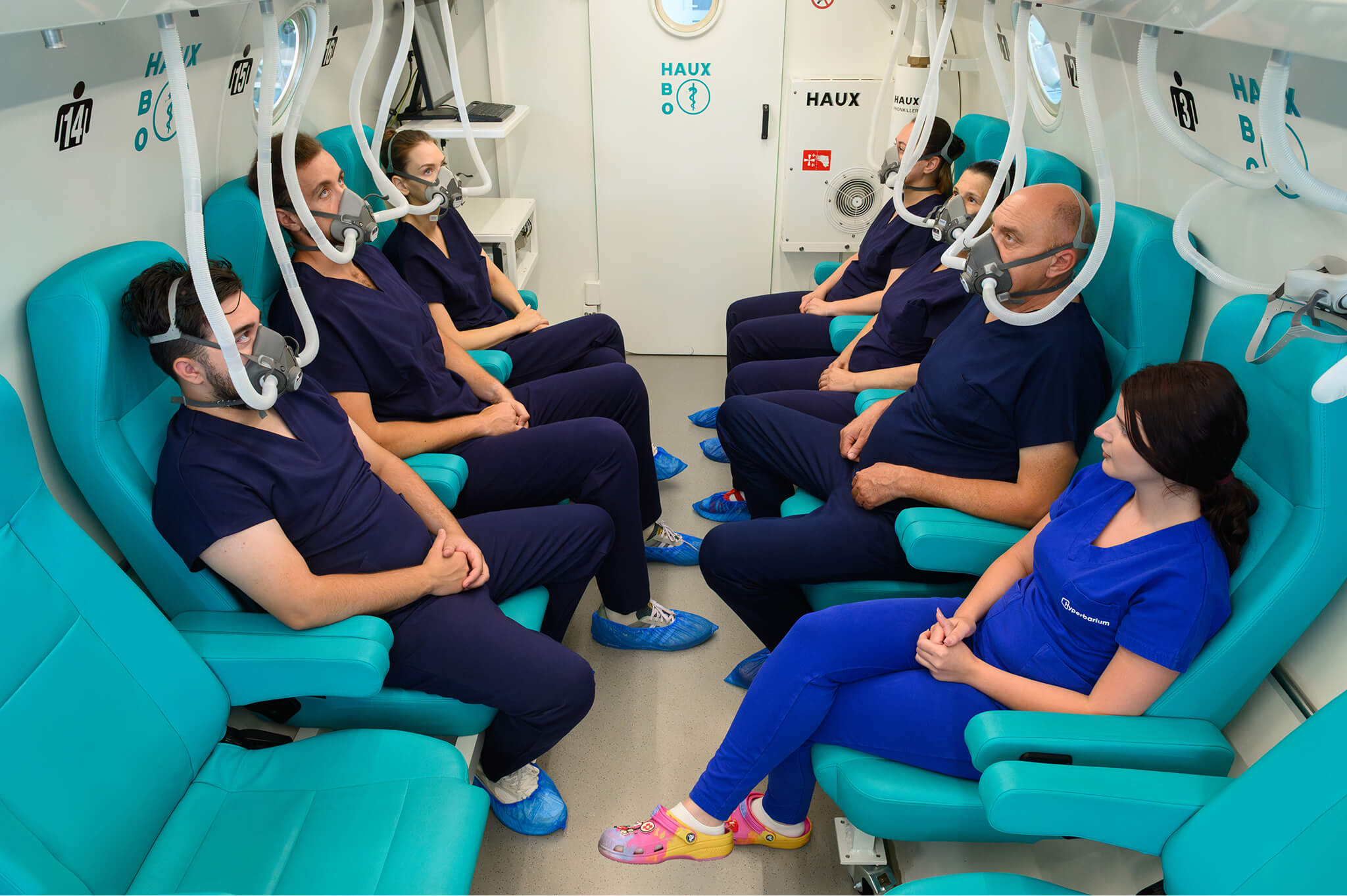
Hyperbaric therapy involves the patient breathing pure oxygen, almost 100%, in a special pressurised chamber, where the pressure of the air is two to two and a half times higher than normal atmospheric pressure. This combination of concentrated oxygen and increased pressure causes the patient's blood plasma to become saturated with a quantity of oxygen several times larger than under normal conditions, oxygen which thus also reaches the poorly vascularised areas of tissue, where the red blood cells, through their usual mechanisms, no longer manage to penetrate sufficiently.
In the case of radiation cystitis, this mechanism has a direct relevance. As we explained earlier, the disease is caused by the chronic lack of oxygen (hypoxia) in the wall of the urinary bladder, as a result of the damage inflicted by radiation on the small blood vessels. By increasing the partial pressure of oxygen in the blood, hyperbaric oxygen manages to “nourish” these oxygen-deprived tissues again, while also stimulating the formation of new blood vessels, a process called angiogenesis. In effect, the therapy not only calms the symptoms, but intervenes on the underlying cause of the disease, which is why its effects are often maintained long after the end of the sessions.
A standard treatment protocol for radiation cystitis involves, according to international studies, between 20 and 40 hyperbaric therapy sessions, with a duration of 80-90 minutes each, usually administered five days a week, for six to eight weeks. The exact number of sessions is established individually, by the doctor specialised in hyperbaric medicine, according to the severity of the symptoms and the patient's response to the treatment.
What the clinical studies show about hyperbaric oxygen in radiation cystitis
The discussion about the benefits of hyperbaric oxygen in radiation cystitis is not a new one. The first clinical observations date from the '80s. One of the first studies published, which appeared in Journal of Urology in 1985, documented the cases of three patients with severe haematuria caused by radiation cystitis, refractory to the conventional treatments of the time. After a series of hyperbaric therapy sessions at a pressure of 2 atmospheres, for 2 hours per session, the bleeding stopped completely in all three patients, and the changes of the urinary bladder observed through cystoscopy improved visibly. For that time, this was the first report that documented, through direct examination with the cystoscope, the healing of a urinary bladder injury caused by radiation, with the help of hyperbaric oxygen.
Four decades later, the evidence has consolidated considerably, and the most important study so far is RICH-ART. Its name sounds technical, so it is worth briefly explaining what it means: it is a randomised phase 2-3 clinical study, that is, the kind of medical research considered the most reliable, because the patients are divided at random (randomised) into two groups: one that receives the tested treatment, and one that receives standard care, precisely so that the results are not influenced by the preferences of the doctors or of the patients. The study was conducted in five university centres in Sweden, Norway, Denmark and Finland, and the results were published in 2025 in the journal eClinicalMedicine, part of The Lancet group, one of the most respected medical publications in the world.
The researchers followed for five years a group of 70 patients with chronic radiation cystitis, treated with 30-40 hyperbaric therapy sessions, and measured their evolution with the help of the EPIC urinary score, which we talked about earlier as well: the more this score grows, the better the urinary symptoms and the patient's quality of life are. The results were remarkable: the score increased by an average of 19.1 points at five years from the treatment, an improvement large enough to truly count for the patient, not just “on paper”, from a statistical point of view.
Most importantly, this improvement did not decrease over time, but remained constant throughout the entire five years of follow-up. Almost 69% of the patients were classified as “responders”, the term used by the researchers for those who had a sustained improvement of the urinary symptoms throughout the study. Translated into everyone's language, this means that, five years after the treatment, the majority of the patients continued to urinate more rarely, with less pain and with fewer episodes of bleeding than before the therapy. This is an unusually durable result for a chronic condition, which normally tends to worsen, not to improve, with the passage of time.
Other studies cited in the specialist literature confirm these results. The researcher Dellis and colleagues reported, in a study on 38 patients with severe radiation cystitis, a complete response rate of 86.8% and a partial response rate of 13.2%. Thus, almost all the treated patients benefited, to a greater or lesser extent, from the therapy.
And the most extensive analysis of the meta-analysis type, carried out by Cardinal and colleagues on a total of 602 patients from several studies, showed that 84% of the patients obtained a partial or complete resolution of the symptoms, with a relatively low recurrence rate, of only 14%. In other words, we are not talking about an isolated result, obtained in a single lucky hospital, but about a pattern of effectiveness confirmed constantly, regardless of the place where the treatment was administered.
If the meta-analysis answers the question “does the therapy work, in general?”, a research carried out at Toulouse University Hospital, in France, answers a question just as important for the patient: “what does the concrete treatment look like, applied to a large number of real people, followed over the long term, with a clear and repeatable protocol?”. This study, carried out on 134 patients treated between 2008 and 2013, analysed the effectiveness of hyperbaric therapy on the haematuria caused by radiation cystitis, using a standardised protocol of 20 sessions with pure oxygen at 2.5 atmospheres. It is exactly the kind of protocol that patients encounter at Hyperbarium, not at the clinics with mHBOT capsules. Its relevance comes not only from the effectiveness percentages, but also from the practical indicators, directly linked to the patient's life: the results showed an effectiveness of 83% at 3 months from the treatment and of 81% at 12 months, and the number of hospitalisations of the patients decreased by 75% in the year after the treatment, which means fewer emergency admissions, fewer transfusions and, overall, a much smaller burden for the patient.
It is important to mention, for balance and honesty towards the patient, that not all cases respond equally well to the treatment. The studies show that the chances of success are higher when hyperbaric therapy is started earlier from the onset of the symptoms, at a lower degree of severity of the haematuria, and in the patients who do not take anticoagulant treatment. Also, the side effects reported were, in the vast majority of the cases, mild and temporary: pain related to the equalisation of the pressure in the ears, transient myopia or, more rarely, small injuries of the eardrum (barotrauma); none of them being serious or permanent in the studies mentioned.
Natural treatment for radiation cystitis: what can and what cannot help
It is natural that, in the face of a chronic and hard-to-treat condition, many patients look for natural treatment for radiation cystitis, as a complementary option. And because we are medically honest, we acknowledge that the natural options can have a supportive role, but they can never replace a duly approved medical treatment, especially in a condition in which the injuries at the level of the bladder are structural in nature, not merely functional.
Among the measures supported by medical common sense are adequate hydration, with a constant consumption of water throughout the day, in order to keep the urine diluted and reduce the irritation of the bladder mucosa. It is also advisable to avoid the foods and drinks that irritate the urinary bladder. Among these are: coffee, alcohol, carbonated drinks, very spicy dishes. This recommendation is reasonable and indirectly supported by studies on overactive bladder syndrome and on the inflammatory conditions of the urinary bladder. Some patients report an improvement of the discomfort through the consumption of herbal teas with a mild anti-inflammatory effect, such as horsetail or cranberry, although the scientific evidence for their specific effectiveness in radiation cystitis is, so far, limited and they cannot substitute a therapeutic plan established by a doctor.
When it comes to natural treatment for radiation cystitis, the most important piece of advice that a doctor can give you is not to postpone a specialist consultation in favour of home remedies, especially if you notice blood in the urine. Bleeding, however minor, is a signal that always requires medical evaluation, because it can hide an evolution of the disease or another associated problem. The correct approach is an integrated one: the supportive natural measures can be discussed with the treating doctor and used alongside the treatments with proven effectiveness, such as hyperbaric oxygen therapy, and never instead of them.
What you find on forums about radiation cystitis, and what the internet cannot tell you
Unfortunately, radiation cystitis is a condition about which little is said in the medical offices where everyone is in a hurry, and sometimes patients feel inhibited about talking about seemingly common problems. Consequently, their natural need appears to know that they are not alone and to find out how other patients have managed the same symptoms. On the health forums, the recurring themes are related to the fear of bleeding, the frustration caused by the constant need to go to the toilet, the difficulty of finding a doctor specialised in treating this condition and, very frequently, questions about the real effectiveness of hyperbaric therapy.
The discussions on forums about radiation cystitis have their value. They offer emotional support and confirm that the experiences lived by the patient are real and common. But we must acknowledge that they also have their evident limits. Every case of radiation cystitis is different, depending on the type of cancer initially treated, the dose of radiation received, the general state of health and the presence of other conditions. What worked for one patient on a forum may not be suitable for another, and the information shared there, however well intentioned, can never replace a diagnosis established by a urologist and a personalised treatment plan, established together with a doctor specialised in hyperbaric medicine.
The major difference from the advice about radiation cystitis found on forums is exactly here: at the Hyperbarium Clinic, any discussion about radiation cystitis begins with an initial consultation, in which you effectively talk with a doctor specialised in hyperbaric medicine and a urologist, not with an algorithm or with the experience, however well intentioned, of another patient. This consultation is the moment when you can ask all the questions you have gathered while reading about your condition, from the effectiveness of the treatment to what to concretely expect at a hyperbaric therapy session, and in which the doctor analyses your oncological history, the treatments followed previously and the current symptoms, in order to build a personalised treatment plan, adapted exactly to your case, not to a general template.
In addition, the patients with radiation cystitis are not assessed in isolation, but benefit from the perspective of a multidisciplinary team of doctors, which can include, alongside the hyperbaric medicine specialist, the collaboration with the urologist and, when necessary, with the treating oncologist, so that the treatment with hyperbaric oxygen is coherently integrated into the context of the patient's entire medical journey, not treated as a separate solution, disconnected from the rest of the care. The most useful thing you can do after reading the discussions of other patients is to note down the questions that seem relevant to you and to address them directly to your doctor, either at the next oncological consultation, or at an initial consultation at the Hyperbarium Clinic.
Hyperbaric therapy at the Hyperbarium Clinic: how the treatment goes and what the price is
At the Hyperbarium Clinic, the treatment for radiation cystitis always begins with an initial consultation, in which the doctor of hyperbaric medicine analyses the patient's oncological history, the radiotherapy treatments followed previously, the current symptoms and any urological investigations already carried out (cystoscopy, urine tests). On the basis of this evaluation, a personalised treatment plan is established, with a number of sessions adapted to the gravity of the case, broadly following the protocols validated in the international clinical studies we presented above.
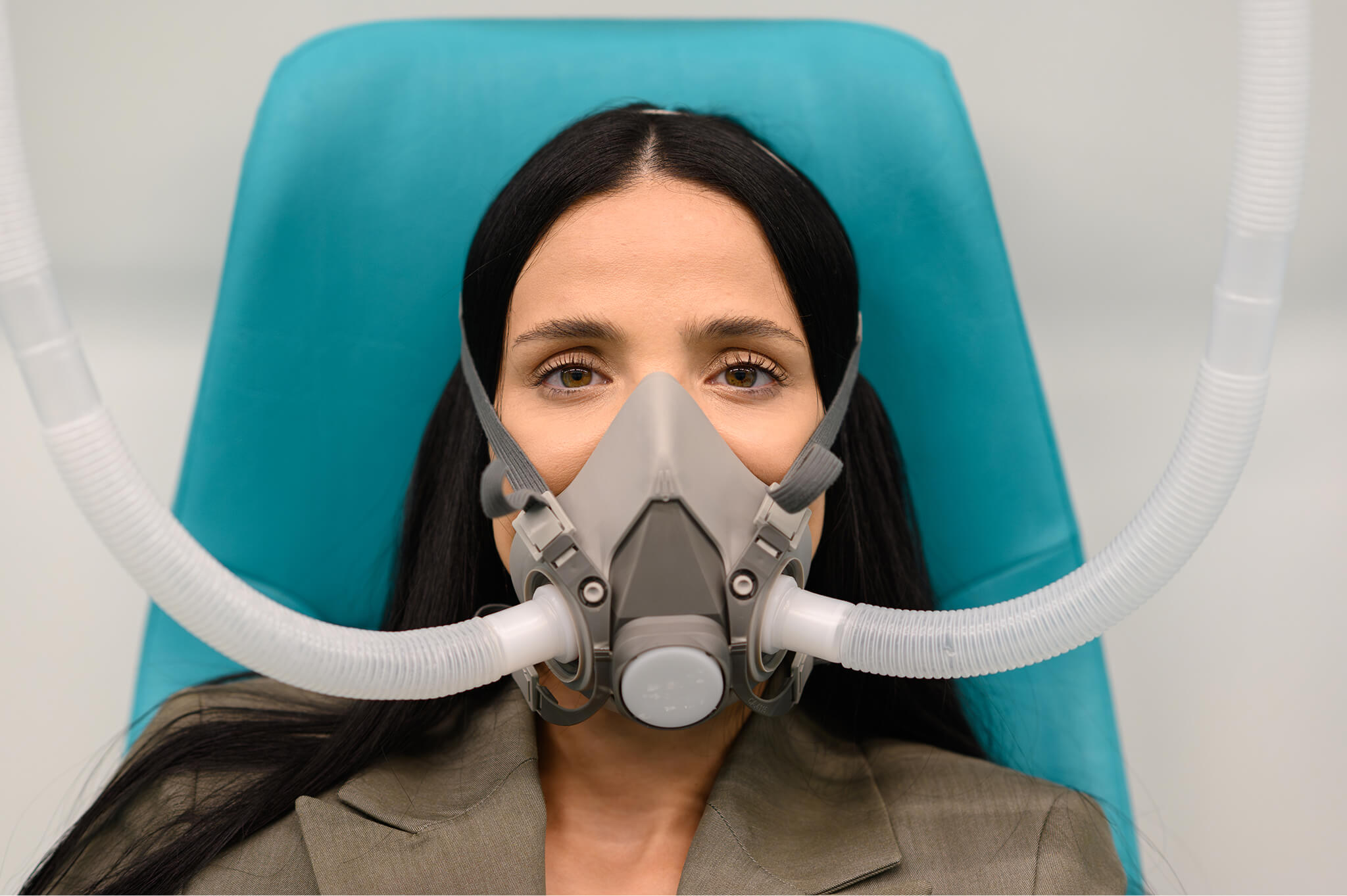
During a hyperbaric therapy session, the patient sits comfortably in a pressurised chamber, breathing almost pure oxygen through a mask or through a special hood, for approximately 90 minutes. The procedure is completely non-invasive, it does not involve injections or painful manoeuvres, and most patients use this time to relax, read or even doze off. Throughout the session, the patient is monitored by specialised medical staff, for their safety and comfort.
A frequent question is related to the price of hyperbaric therapy, a natural aspect to clarify before starting the treatment. At the Hyperbarium Clinic, an initial hyperbaric medicine consultation costs €50, a single hyperbaric therapy session has a price of €100, and for the patients who follow a treatment consisting of several sessions, as is usually the case in radiation cystitis, there is a package of 20 sessions at the price of €1,600, according to the clinic's official price list Hyperbarium Clinic Prices. The exact number of necessary sessions is established individually by the treating doctor, according to the severity of the symptoms and the patient's evolution during the treatment, so that the total cost varies from case to case.
It is important to mention that hyperbaric therapy is not, at present, reimbursed by the public health insurance system in Romania for this indication, which is why access is on a private basis, in a specialised centre, equipped with certified medical equipment and medical staff with experience in hyperbaric medicine. The experience accumulated by the Hyperbarium team in treating other conditions related to tissue hypoxia – from the diabetic foot, about which you can read more in the dedicated article Diabetic Foot – What It Is, Causes, Symptoms and Treatment, to the neurological recovery after stroke, detailed in the article Stroke (CVA): causes, symptoms, treatment – provides a solid basis of expertise applicable also to the treatment of radiation cystitis, where the underlying mechanism of the disease, the lack of oxygen in the tissues, is similar.
If you or a member of your family are facing symptoms of radiation cystitis after a course of pelvic radiotherapy, the most important step is not to ignore the signs, in particular the urinary bleeding, and to ask for a complete medical evaluation as soon as possible. The earlier the treatment is started from the onset of the symptoms, the greater the chances of a good response to hyperbaric therapy are, according to the data from the clinical studies presented in this article. The Hyperbarium team is ready to guide you, from the first consultation to the end of the treatment plan, with a personalised approach, based on current scientific evidence.