

Article reviewed by: Dr. Sturz Ciprian, Dr. Tîlvescu Cătălin and Dr. Alina Vasile
Article updated on: 05-10-2026
Sudden hearing loss: when can hyperbaric therapy help and why time is essential?
- What sudden sensorineural hearing loss is
- How to recognise hearing loss in one ear
- The causes of hearing loss: what actually happens inside the ear
- Why time is essential: the critical treatment window
- The standard ENT treatment and the role of cortisone
- Hyperbaric oxygen therapy: how it works in the inner ear
- Hyperbaric therapy in figures: what the studies show about hearing recovery
- How frequent is sudden-onset hearing loss
- How a hyperbaric therapy session takes place at Hyperbarium
- Total hearing loss: can the evolution be prevented?
- What happens when the hearing recovery is not complete?
- Time matters in the recovery of the hearing
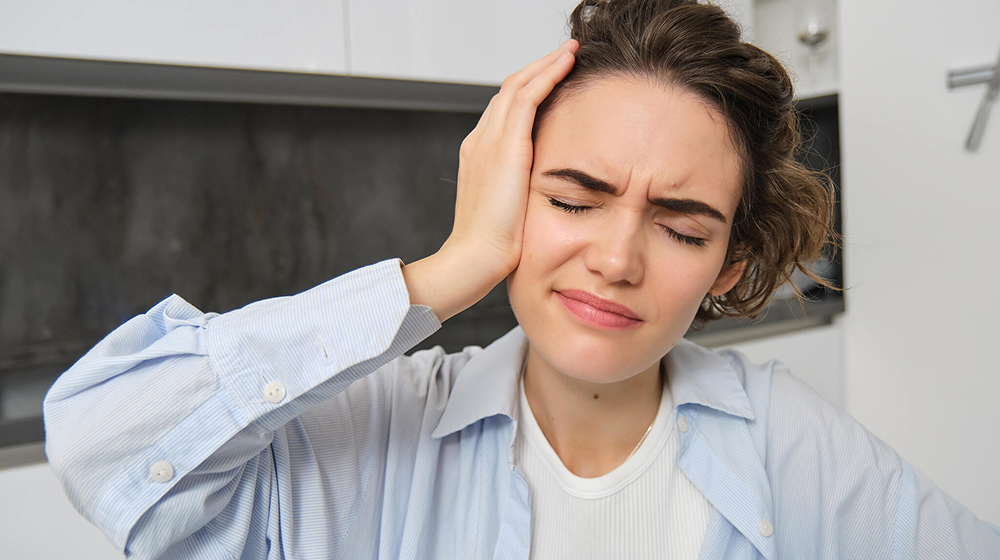
You woke up in the morning with the sensation of water in your ears? You hear the people talking to you as if they were speaking from far away and in a whisper? Or worse, a few hours ago you were hearing normally and, all of a sudden, it is as if a wall has risen around you and you hear everything muffled, and your soundtrack is a persistent ringing? And no matter what you do, you cannot unblock your ears? Well, sometimes we are not talking merely about a passing problem of the ear, and it is not something that resolves on its own in the majority of cases through simple waiting. It is possible that we are talking about a real medical emergency, one in which every day of delay reduces the chances of complete recovery.
This article is written for you, the one who is looking right now, perhaps with the phone in hand and with your heart in your throat, for clear answers about what is happening with your hearing, why the speed of the intervention matters so much and in what way hyperbaric therapy can find its place alongside the classical ENT treatment. It is not a guide meant to replace a medical consultation, but a material meant to help you understand what you are about to discuss with your doctor and why, in certain situations, the Hyperbarium team can become part of your recovery plan.
What sudden sensorineural hearing loss is
The correct medical term for what we are describing is sudden sensorineural hearing loss, called in the international literature “sudden sensorineural hearing loss” (SSNHL). In practice, it is a significant decrease in hearing, of at least 30 decibels, appearing in less than 72 hours and confirmed by an audiogram across at least three consecutive tested frequencies. These hearing impairments are not caused by a simple mechanical blockage, such as a cerumen (a plug of wax) that blocks the external auditory canal, but by damage at the level of the inner ear or of the auditory nerve, where the sound is transformed into an electrical signal and sent to the brain.
The difference between a conductive hearing loss (caused, for example, by wax, fluid in the middle ear or an infection) and a sensorineural one is essential for the treatment. In the first case, the problem lies “on the way”, somewhere between the exterior and the inner ear, and the solution is often simple. In the second case, the problem is at the source itself, in the cochlea, the snail-shaped structure full of fluid and microscopic hair cells that translate sound vibrations into nerve impulses, or at the level of the vestibulocochlear nerve that carries this signal to the brain. When these cells or nerve fibres are affected suddenly, usually through a blood circulation problem or through an inflammation, the result is exactly what you felt: a sound that seems to have been “cut off” from one side only.
How to recognise hearing loss in one ear
The majority of patients describe the moment of onset with surprising precision. Many remember exactly the hour at which they noticed the problem, because the symptom is so sudden and so unusual. The most frequent clinical picture involves hearing loss in one ear, unilateral, not symmetrical on both sides, which, moreover, helps the doctor quickly differentiate this condition from other more general causes of hearing loss related to age or to chronic exposure to noise.
Alongside the decrease in hearing itself, other symptoms also appear almost constantly:
- a continuous or intermittent ringing (tinnitus)
- a sensation of pressure or of “full ear”, like the one felt during the landing of an airplane, but which does not go away through swallowing or through pressure-equalising manoeuvres
- a slight vertigo or an instability in walking
These symptoms appear frequently together because not only the auditory component, but also the vestibular one (responsible for balance) in the inner ear can be affected, since the two structures share the same fluid and the same vascularisation.
Tinnitus can continue for a while even when the audiogram shows a partial or significant recovery of the hearing. This does not automatically indicate that the treatment has failed. Hearing and tinnitus can evolve at different rhythms, even if both symptoms have their origin in the inner ear. Some research has reported the improvement of tinnitus together with the recovery of hearing after hyperbaric therapy, however the evidence for this effect is more limited than that regarding the recovery of the hearing threshold.
It is important to bear in mind that the absence of pain does not mean the absence of seriousness. Unlike an otitis, which as a rule hurts, sudden sensorineural hearing loss is, in many cases, completely painless, which is why some patients tend to minimise it and to hope that it goes away on its own in time. Precisely this tendency to wait is the one that reduces the most the chances of a good recovery, as we will detail in the section about the therapeutic window.
The causes of hearing loss: what actually happens inside the ear
When it comes to the causes of hearing loss, the truth is that, in the majority of cases, doctors do not find a single, clearly identifiable cause. This is called idiopathic hearing loss. There are plausible explanations, but most of the time several factors act at the same time, and the available medical tests cannot separate exactly which was the main cause.
Among the frequently discussed explanations is the damage to the microcirculation of the inner ear: the cochlea is supplied by an extremely fine network of blood vessels, without reserve collateral circulation, which makes it vulnerable to any microthrombosis, vascular spasm or sudden reduction of the blood flow. In practice, the inner ear functions a little like a neighbourhood supplied by a single water pipe. And, if that pipe becomes partially blocked, the whole neighbourhood suffers instantly, without alternatives.
The second frequently invoked explanation is the viral or inflammatory one. Many cases of sudden hearing loss appear a few days after an upper respiratory infection, and researchers suspect the involvement of viruses (herpetic, influenza) that can directly affect the auditory nerve or can trigger a local inflammatory/autoimmune response that damages the hair cells.
Other known and easier to identify causes include cranial or acoustic traumas (exposure to an extremely strong noise, an explosion, a sudden change of pressure during diving), some autoimmune diseases, rare benign tumours such as the vestibular schwannoma, the administration of ototoxic medications (certain antibiotics from the aminoglycoside class, chemotherapeutic agents, high doses of aspirin) or Ménière's disease at its onset. In people with cardiovascular risk factors, such as hypertension, diabetes, high cholesterol or smoking, the risk of this type of local circulatory accident at the level of the inner ear is significantly higher, which is why some specialists compare sudden sensorineural hearing loss with a “small infarction of the ear”. It is an analogy, not a diagnosis proper.
Why time is essential: the critical treatment window
If you were to retain a single thing from this article, it should be this one: in sudden sensorineural hearing loss, time matters more than anything else. Statistically, time is the factor most strongly correlated with recovery. The American reference clinical guideline, developed by the American Academy of Otolaryngology, recommends emergency evaluation and the initiation of treatment within 14 days from the onset of the symptoms, considering this interval as the limit beyond which the chances of recovery drop drastically.
Why does this happen? The hair cells in the cochlea, the ones that transform sound vibrations into nerve signals, do not regenerate in humans as happens in some animals or in other tissues of the body. If they remain deprived of oxygen or affected by inflammation for too long, they die for good, and the loss becomes irreversible. In practice, every day of postponement is a day in which a part of these cells, already fragile, can be lost irremediably. For this reason, a hearing loss with sudden onset, even if it does not hurt, must be treated exactly like a medical emergency, similar to the way in which you treat suspected chest pain or a sudden motor deficit.
In our practice, we frequently talk with patients who reach the specialist only after one or two weeks, hoping that the symptom will go away. Unfortunately, that delay is the main reason why some recoveries remain partial. The more quickly you present for an ENT consultation, ideally within the first 24 to 72 hours, the more therapeutic options remain open, including the possibility of adding hyperbaric therapy to the standard treatment.
Age and the initial severity of the hearing loss also influence the prognosis. In elderly people and in patients with a profound hearing loss from the very beginning, complete recovery can be more difficult. This does not mean that the treatment is not worth trying. On the contrary, a rapid presentation to the ENT specialist is all the more important, because it keeps open the best therapeutic options during the period in which the inner ear can still respond to the treatment.
The standard ENT treatment and the role of cortisone
The first line of treatment, recommended by all international guidelines, is corticotherapy, that is, the administration of corticosteroids, either orally, or by injection directly into the middle ear (transtympanic), or combined. Cortisone acts as a powerful anti-inflammatory agent, reducing the oedema and the inflammation at the level of the cochlea and of the auditory nerve, thus offering the affected cells a better chance to recover their function before dying for good.
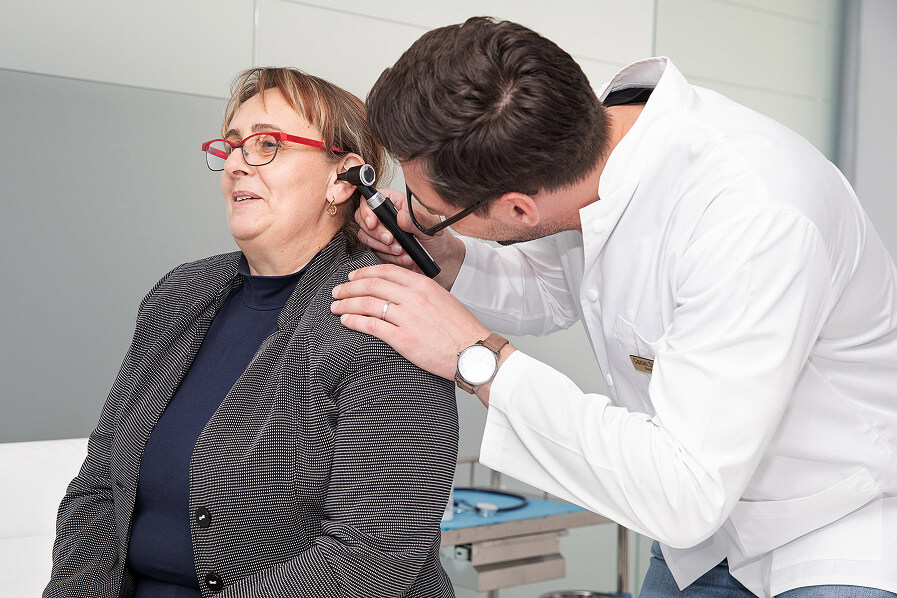
The ENT doctor will complete the evaluation with an audiogram (to measure exactly the degree and the type of the loss), possibly an imaging examination through magnetic resonance (to exclude structural causes such as a vestibular schwannoma) and blood tests in order to look for treatable metabolic, inflammatory or infectious causes. Depending on the results, the treatment can be adjusted, but cortisone remains, in the absence of a clearly identified cause, the cornerstone of the initial intervention.
However, cortisone alone does not recover the hearing in all patients. Studies show that approximately half of the idiopathic cases remit spontaneously, partially or completely, within the first two weeks, regardless of the treatment, but the other half remains with a permanent deficit, more or less severe. This is where the question that many patients ask their doctor comes in: is there something that can be added to the treatment to increase the chances of recovery? The answer, supported by clinical evidence, is that yes, and that something is hyperbaric oxygen therapy.
Hyperbaric oxygen therapy: how it works in the inner ear
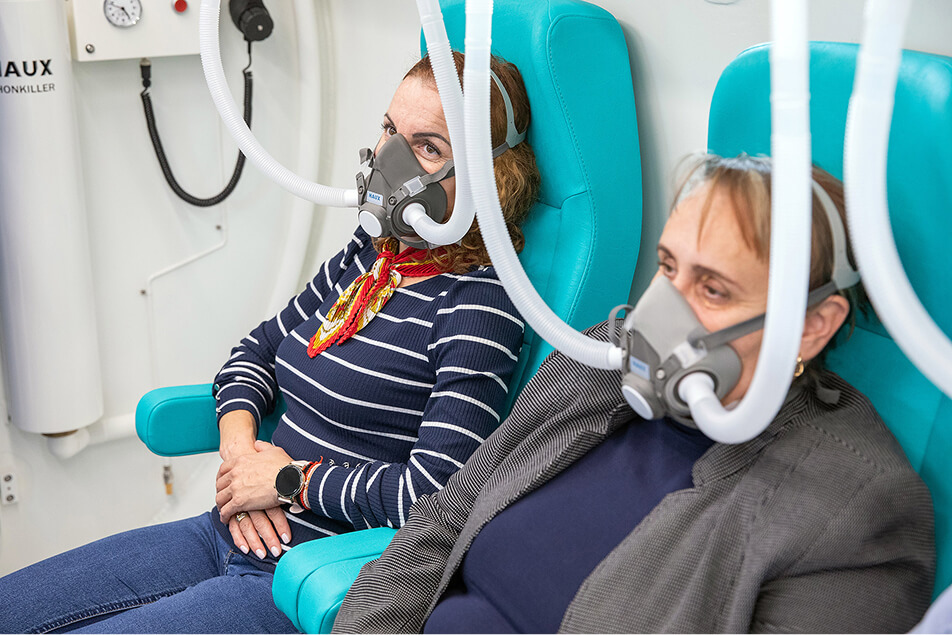
Hyperbaric oxygen therapy means the administration of pure oxygen, in a concentration of 100%, in a chamber pressurised at a value higher than the normal atmospheric pressure, usually between 2 and 2.5 ATA (atmospheres absolute). At this pressure, the oxygen is no longer transported only bound to the haemoglobin in the blood, the amount of oxygen dissolved directly in the plasma increases several times, penetrating also the areas with deficient or narrowed blood circulation, exactly the type of area affected in sudden sensorineural hearing loss. At Hyperbarium, the sessions for ENT conditions usually take place at 2-2.4 ATA, for 60-90 minutes, parameters aligned with the protocols described in the specialty literature for acute hearing loss.
This particularity is essential for the cochlea, an organ with a unique profile, because it has a very high metabolic consumption. The hair cells and the structures around them “burn” a lot of energy in order to transform mechanical vibrations into electrical impulses. However, the cochlea has an extremely small vascular reserve. In practice, the inner ear functions at its limit under normal conditions, without a safety margin when a circulation problem appears. That is why any method that can temporarily increase the oxygen supply, independently of the blood flow proper, has a real therapeutic potential in this context.
In the context of the inner ear, this temporary overload with oxygen has two main effects. The first is direct: the cochlea, extremely sensitive to the lack of oxygen because of its limited vascular network, receives an amount of oxygen much larger than it could obtain only through the usual blood circulation, which supports the survival of the hair cells that are still viable, but affected. In the first days, a part of the affected structures can have a reduced function without the injury being definitive yet. This is the interval in which reoxygenation and the control of the inflammation can have the greatest potential to support the recovery.
The second effect is indirect, but just as important: the increased partial pressure of oxygen stimulates the release of vascular growth factors and reduces the local oedema, contributing to a faster recovery of the microcirculation around the auditory structures. By increasing the amount of oxygen dissolved in the plasma, HBOT can support the oxygenation of tissues with reduced perfusion. Experimental studies and clinical data suggest that it can also contribute to the reduction of the oedema and of the local inflammatory response. This is considered the secondary wave of damage that hyperbaric therapy can attenuate.
In practice, if the treatment with cortisone acts like a firefighter who puts out the inflammation, hyperbaric therapy acts like an emergency supply team that ensures the oxygen needed by the tissue under stress, even under the conditions in which the local blood flow is reduced. The two mechanisms are complementary, not competing, which is why the majority of the protocols recommend their association, not the choice of one in place of the other.
An important aspect to bear in mind is that the effects of HBOT are not permanent in themselves. The benefit builds up cumulatively, session after session, as the affected tissue has the repeated opportunity to reoxygenate and to resume its normal functions. This is also the reason why the clinical protocols recommend a sustained number of sessions, administered at short intervals, not one or two isolated exposures.
Hyperbaric therapy in figures: what the studies show about hearing recovery
The scientific evidence for HBOT in sudden sensorineural hearing loss comes from several clinical studies and systematic analyses. The best known source is the Cochrane systematic analysis carried out by Michael Bennett and colleagues, updated over the course of several years. Cochrane analyses are recognised internationally for their rigorous methodology, because they compare and critically evaluate the results of several studies on the same topic.
This analysis brought together seven clinical studies, with 392 participants, and showed that hyperbaric oxygen therapy significantly increased the chance of an improvement of at least 25% of the hearing threshold, compared with the standard treatment without HBOT. The authors reported a relative risk of 1.39, which means that the patients who received hyperbaric therapy had a higher probability of hearing recovery than those who followed only the conventional treatment.
Another useful indicator from the Cochrane analysis is the “number needed to treat” (NNT), estimated at 5. In patient-friendly terms, for every 5 people who associate hyperbaric therapy with the standard treatment, one obtains an additional benefit that they would not have obtained with the classical treatment alone. This number does not mean that the other four patients do not benefit at all: some can recover partially or completely thanks to the corticotherapy or to spontaneous recovery. The NNT shows, however, that the addition of HBOT can increase the chance of recovery for a part of the patients.
The mean difference of the audiometric threshold was 15.6 decibels in favour of the group that received HBOT. For someone confronted with the sudden loss of hearing, this figure can be relevant in day-to-day life: it can mean the difference between understanding a conversation held in the room more clearly and hearing only fragments, or between being able to use the phone at the affected ear and depending exclusively on the other ear.
The results of the Cochrane analysis are also supported by more recent research. A meta-analysis published in JAMA Otolaryngology–Head & Neck Surgery analysed three randomised clinical studies, with 150 participants: 88 received HBOT together with the medical treatment, and 62 followed only the medical treatment. The authors observed a greater audiometric improvement in the group that received hyperbaric therapy, with a mean difference of 10.3 decibels compared with the control group. For the patient, this result can mean an additional chance to distinguish speech more clearly, especially in ordinary conversations or in environments with background noise.
A large meta-analysis published in The Laryngoscope included 20 studies, of which 16 randomised, and compared 1,087 patients treated with HBOT with 600 patients who received only the medical treatment. The conclusion of the authors was that the association of hyperbaric therapy increased the chance of hearing recovery by 2.61 times compared with the medical treatment alone. In practice, these data support the inclusion of HBOT as adjunctive treatment, initiated promptly, when the ENT doctor considers that the patient is eligible.
The moment of starting the treatment remains decisive. The conclusion of the Cochrane analysis, supported also by more recent reviews, is that the benefit of hyperbaric therapy is clearest when the treatment is initiated within the first two weeks from the onset of the symptoms. The benefit is best documented when HBOT is initiated within the first two weeks. In some situations, the doctor can take into consideration hyperbaric therapy associated with steroids also as salvage treatment, up to one month from the onset. After this period, the evidence is more limited, and the decision is individualised. Thus, for the patients who begin the treatment after several weeks or months, the available results are less clear, because the definitively affected hair cells in the inner ear cannot regenerate.
An umbrella review published in Frontiers in Neurology in 2024 concluded that hyperbaric therapy can contribute to the recovery of the hearing in sudden sensorineural hearing loss, with a favourable safety profile. At the same time, an article published in 2025 notes that hyperbaric oxygen therapy is approved by Health Canada for sudden sensorineural hearing loss. This status reflects the fact that HBOT is a therapeutic option used in medical practice, as part of a treatment plan, and not an experimental intervention.
Each case requires an individual evaluation. The ENT doctor and the hyperbaric medicine team will take into account the interval elapsed from the onset, the audiogram, the severity of the hearing loss, the presence of vertigo, the treatment already started and the general state of health. In this context, hyperbaric therapy does not replace the corticotherapy or the ENT investigations, but can complement the standard treatment when it is indicated.
How frequent is sudden-onset hearing loss
Even if it is not a condition discussed publicly as much as stroke or heart attack, sudden sensorineural hearing loss is not at all rare. The epidemiological data from the United States show an annual incidence of 5 to 27 cases per 100,000 people, which translates into approximately 66,000 new cases every year in this country alone, with the incidence peak between 50 and 60 years of age, but the condition can appear at any age.
At the global level, the problem of hearing loss in the broad sense, not only the sudden-onset form, has an impressive scale. According to the World Health Organization, over 1.5 billion people, almost 20% of the world's population, currently live with a form of hearing loss, and 430 million of them have a hearing loss that significantly affects their quality of life. It is estimated that, by 2050, almost 2.5 billion people will have a degree of hearing loss, of which over 700 million will need hearing rehabilitation services.
Romania is included as well. According to some estimates cited from reports of the World Health Organization regarding the population of Romania, approximately 11% of the population of our country suffer from hearing impairments significant enough to require a hearing aid. These figures include, of course, all forms of hearing loss, not only the sudden-onset one, but they clearly show the real scale of the hearing problems in the general population and explain why the education of the public regarding the warning signs of an acute hearing loss is so important.
How a hyperbaric therapy session takes place at Hyperbarium
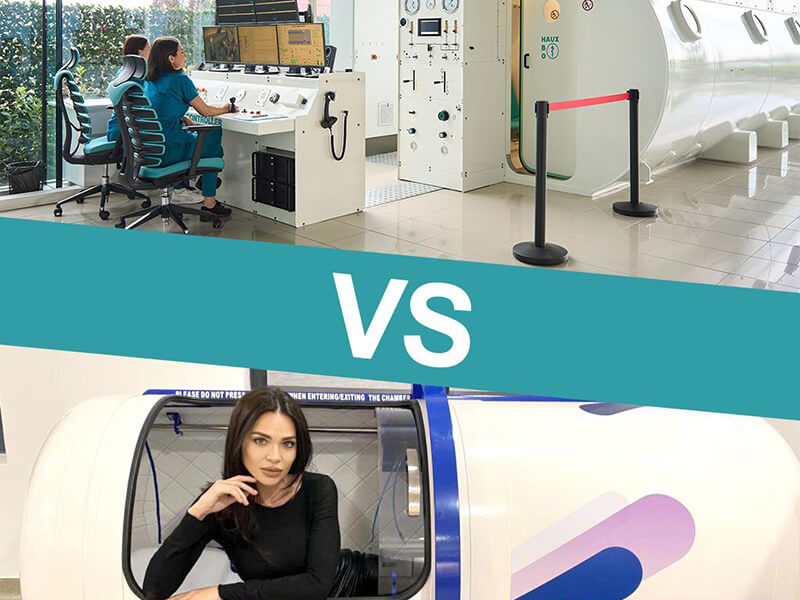
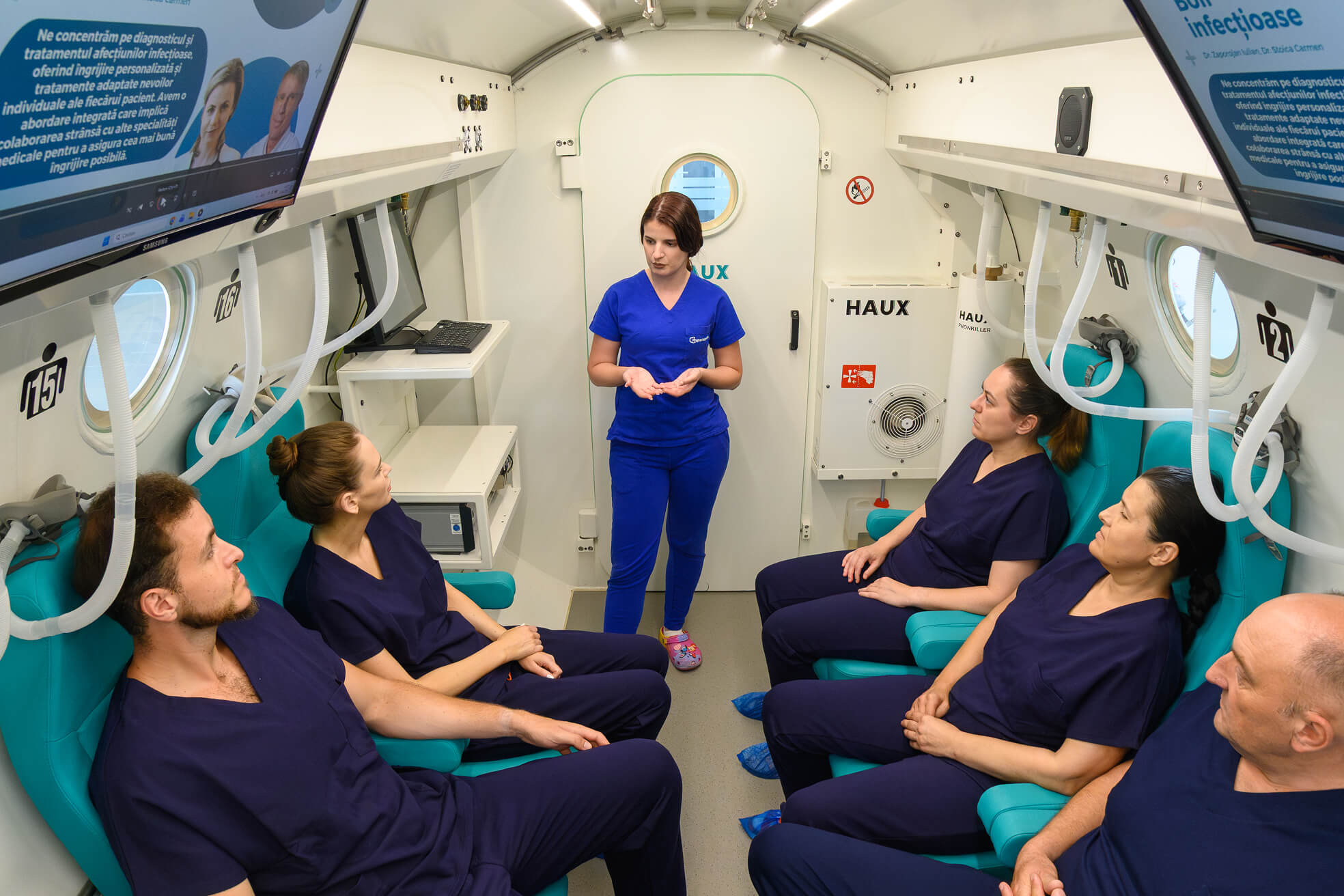
At our clinic, every patient referred for sudden sensorineural hearing loss is first evaluated together with the treating ENT doctor, in order to confirm the diagnosis, to exclude the contraindications and to establish the optimal moment of starting the hyperbaric therapy, ideally as close as possible to the onset of the symptoms. The sessions take place in modern hyperbaric chambers, of the type certified CE Class IIB, where the patient breathes pure oxygen through a mask or through a hood, while the pressure inside the chamber is gradually increased, under continuous medical supervision.
A session lasts, depending on the established protocol, between 60 and 90 minutes, during which the patient can stay relaxed, can read, listen to music or simply rest. It is not a painful procedure. And the only notable sensation is similar to the one in an airplane during take-off or landing, easy to manage through simple manoeuvres of equalising the pressure in the middle ear. These details will be explained to you in detail by the Hyperbarium medical team before each session.
Hyperbaric therapy is a painless procedure. The sensation encountered most often is the transient pressure in the ears, similar to the one in an airplane, which appears during the increase or the decrease of the pressure in the chamber. The medical team explains before the first session simple manoeuvres for equalising the pressure and monitors the patient throughout the treatment. The more serious adverse effects, such as significant barotrauma or oxygen toxicity, are rare when the patient is properly evaluated and follows the protocol established by the doctor.
The total number of recommended sessions varies from patient to patient, but the protocols described in the specialty literature for acute hearing loss usually include between 10 and 20 sessions, administered daily or several times a week, in parallel with the cortisone treatment prescribed by the ENT doctor. The monitoring of the evolution is done through repeated audiograms, so that both the patient and the medical team can objectively see, in figures, whether the therapy produces the sought-after improvement.
It is important to mention that hyperbaric therapy works best as adjunctive treatment, alongside cortisone, not as a stand-alone solution and not as a last resort tried after months of waiting. The patients who present themselves late, several months after the onset, can still benefit from an evaluation, but the chances of significant hearing recovery through any type of treatment, including HBOT, drop considerably with the passage of time.
Total hearing loss: can the evolution be prevented?
One of the greatest fears of the patients confronted with this diagnosis is reaching a total loss of hearing in the affected ear. Fortunately, the majority of the cases of sudden sensorineural hearing loss do not evolve towards complete deafness, especially when the patient presents quickly to the doctor and follows a correctly managed treatment. However, the risk of a severe or total loss is real in the untreated cases, treated late or in which the initial damage was very extensive from the start.
Precisely this risk is the reason why the early intervention makes the difference between an ear that recovers its function almost completely and one that remains with a permanent and significant loss. Even in the situations in which complete recovery is not possible, a partial improvement of the hearing threshold can make the major difference between being able to follow a normal conversation and depending permanently on devices that amplify sound.
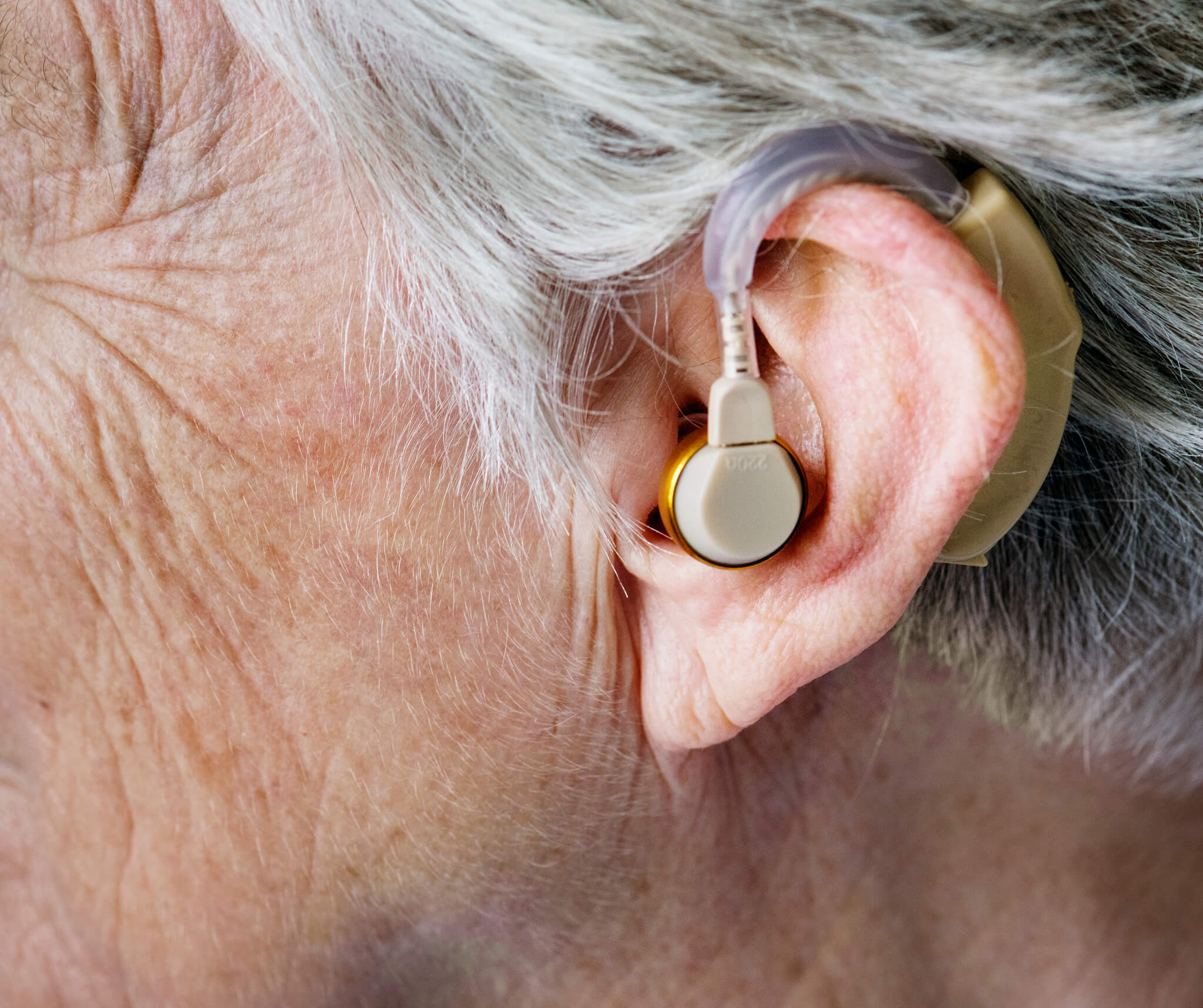
If, despite the treatment, the hearing loss remains significant, there are still solutions for functional recovery such as modern hearing aids. And in the cases of profound unilateral or bilateral deafness, cochlear implants, a technology that has radically transformed the life of many patients in recent decades. These options are not mutually exclusive with the hyperbaric therapy administered in the acute phase; on the contrary, the correctly managed early treatment can reduce the need for such interventions in the long term.
What happens when the hearing recovery is not complete?
Idiopathic sudden sensorineural hearing loss cannot always be prevented, because the exact cause often remains unknown. However, the measures that protect the fine vascularisation of the inner ear and limit the aggressions upon the hair cells can reduce the general risk of hearing impairments. The control of the blood pressure, of the blood sugar and of the cholesterol supports the microcirculation in the inner ear, a structure vulnerable in this condition. Giving up smoking has a similar role, because nicotine favours the narrowing of the small blood vessels throughout the body, including in the cochlea.
Protecting the hearing from the repeated or prolonged exposure to loud noises, such as at concerts, on construction sites or through the use of headphones at high volume, reduces the risk of accumulated injuries of the hair cells. These injuries do not necessarily cause a sudden loss of hearing, however they can make the inner ear more vulnerable to other aggressions. The prompt treatment of the respiratory infections and the avoidance of self-medication with certain antibiotics, anti-inflammatory drugs or other medications with ototoxic potential are also useful measures.
Knowing the warning signs is a form of prevention of the complications. A person who quickly recognises a sudden loss of hearing and immediately presents for an ENT consultation has better chances of recovery than someone who postpones the medical evaluation. In this situation, the rapid reaction is part of the treatment.
For the majority of the patients, the episode of sudden sensorineural hearing loss remains isolated and affects a single ear. The reappearance of the problem in the same ear or its installation in the opposite ear is relatively rare. The situation can change when there is an underlying cause that can produce repeated episodes, such as Ménière's disease or an active autoimmune condition. After an episode of sudden hearing loss, the ENT check-ups and the periodic audiograms help monitor both ears and quickly identify a possible change.
Time matters in the recovery of the hearing
Sudden hearing loss is not a symptom to be ignored or to be waited out until it goes away on its own. It is a real medical emergency, with a limited therapeutic window, in which every day counts for your chances of recovery. The standard treatment, based on prompt corticotherapy and a complete ENT evaluation, remains the cornerstone of the intervention, but the scientific evidence, from the Cochrane analysis to the more recent clinical reviews, consistently shows an additional benefit when hyperbaric oxygen therapy is associated with the classical treatment, especially if the intervention takes place within the first two weeks from the onset.
At Hyperbarium, we collaborate with ENT doctors in order to integrate hyperbaric therapy into the recovery plan of the eligible patients, in a safe environment, with modern equipment and protocols based on the current medical literature. If you or a member of your family are confronted right now with this symptom, the first step is not this article, it is a phone call to an ENT doctor, as quickly as possible. The second step, if the treating doctor considers it suitable, can be a discussion with our team about how hyperbaric therapy can be integrated into your treatment. You can also read about the way in which hyperbaric therapy is used as adjunctive treatment in other complex conditions, such as mandibular osteoradionecrosis, or you can explore our entire medical blog for more information about the fields in which hyperbaric medicine has its place.